As Dashain-Tihar approaches, demand for vegetables, meat, and fruit all spike at once, driving prices up across the board. Rushing to buy everything at the last minute usually means paying more for lower quality. Planning ahead and shopping in stages saves both money and time.
- Khasi/goat meat: the centerpiece dish — book 1-2 weeks ahead (see our khasi buying guide)
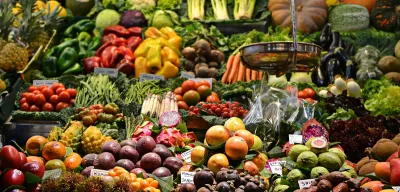
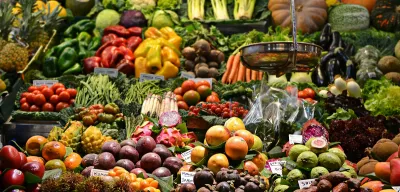
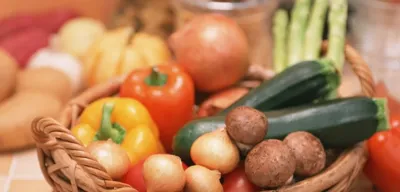
- Vegetables: potato, cauliflower, cabbage — buying early in the season is cheaper than waiting for Dashain demand to peak
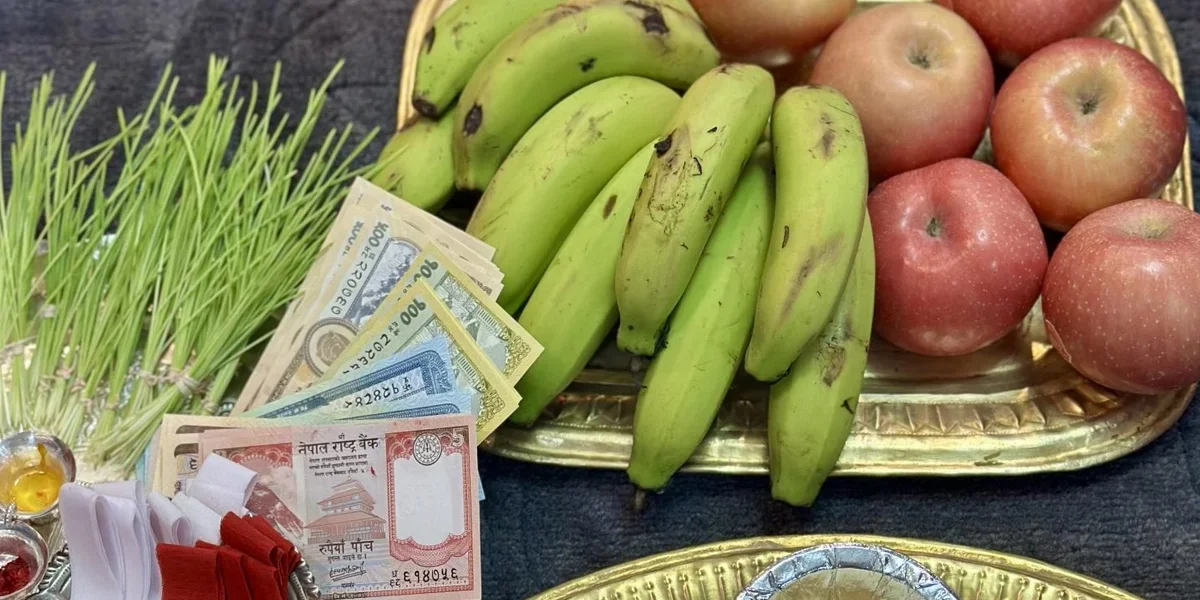
- Fruit: apples, pomegranate, bananas — needed for tika day and welcoming guests
- Tika materials: yogurt, akshata (rice grains), rice — essential for the tika ceremony
- Rice and flour: for making sel roti (see our sel roti recipe)
- Sugar, ghee: needed for sweets and sel roti
- Flowers (marigold, globe amaranth): for Deusi-Bhailo and Laxmi Puja
- Lamps, oil: for decorating the home
When to Buy: A Timeline
- 2-3 weeks ahead: book your khasi/goat, stock up on dry spices and grains
- 1 week ahead: buy the bulk of vegetables and fruit that keep well (potato, cauliflower)
- 2-3 days ahead: buy perishables like fresh leafy vegetables and yogurt
- On the day: buy only flowers and anything that wilts almost immediately
Tips to Save Money
- Buying in bulk usually unlocks a wholesale-style discount — coordinate with neighbours for a shared bulk order
- Buying directly from farmers through FoodSansar is typically fresher and cheaper than market prices
- Buy non-perishables like meat bookings and spices early to avoid last-minute price spikes
Bottom Line
Planning is what turns Dashain-Tihar shopping from stressful into enjoyable. A staged shopping list, timed correctly, means you can actually be present for the festival instead of scrambling through it.