Food Guides
How to Buy Fresh Organic Vegetables Online in Nepal: A Smart Shopper's Guide
June 9, 2026 5 min read
Choosing local produce over imported alternatives benefits you, your family, and your community in ways that supermarket shopping simply cannot match.
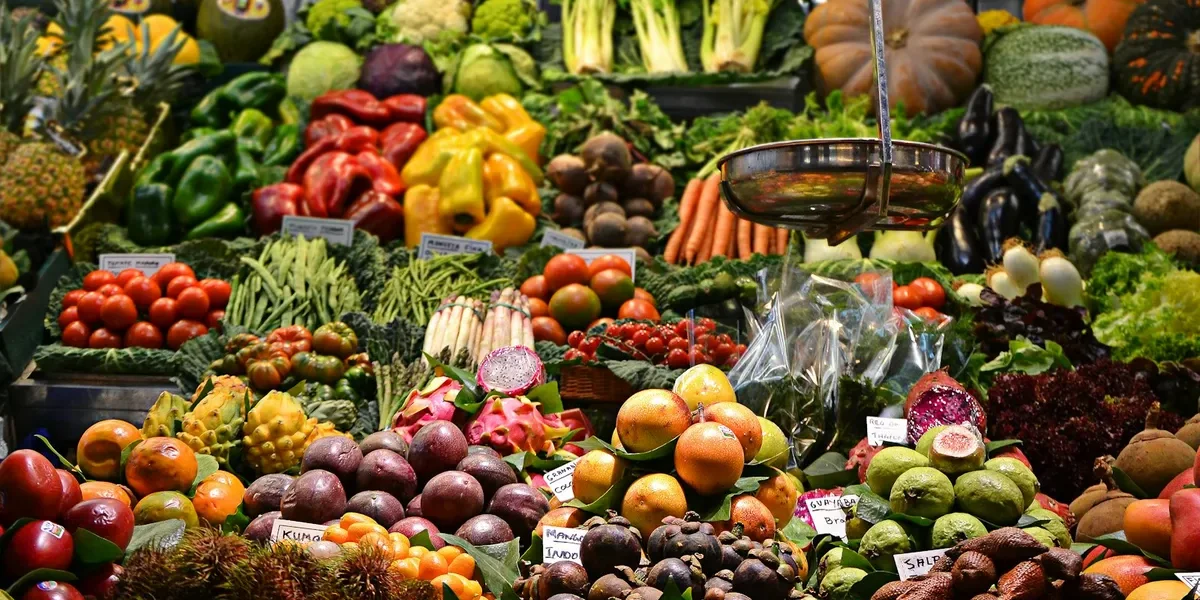
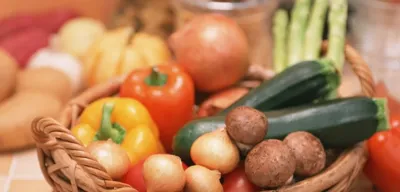
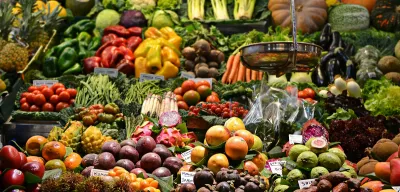
Nepal's supermarkets are increasingly stocked with vegetables imported from India and China. These products travel hundreds or thousands of kilometres, spending days or weeks in transit. By the time they reach your kitchen, they've lost much of their nutritional value and freshness. Local produce, by contrast, moves from field to table — sometimes within hours.
Locally grown food:
Every rupee you spend on local produce stays in your community. It pays a farmer's children's school fees, supports a family's livelihood, and keeps rural economies alive. When you buy imported goods, that money leaves Nepal's economy permanently.
Local food dramatically reduces carbon footprint. A vegetable grown 20 km away versus one trucked 1,000 km has a tiny fraction of the transport emissions. Shorter supply chains also mean less packaging, less refrigeration, and less food waste.
FoodSansar connects Nepal's farmers and home-based food producers directly with buyers across the country. You can browse sellers by district or province, meaning you can specifically support producers near you. A few clicks, and you've supported a local family while getting the freshest food available.
Share it with friends and help others discover great content!