Food Guides
Why Buy from Local Nepali Farmers: Health, Taste and Community
June 1, 2026 5 min read
Dal-bhat-tarkari isn't just tradition — it's a genuinely balanced meal by nutritional science standards. Here's what each part of the plate actually contributes to your health.
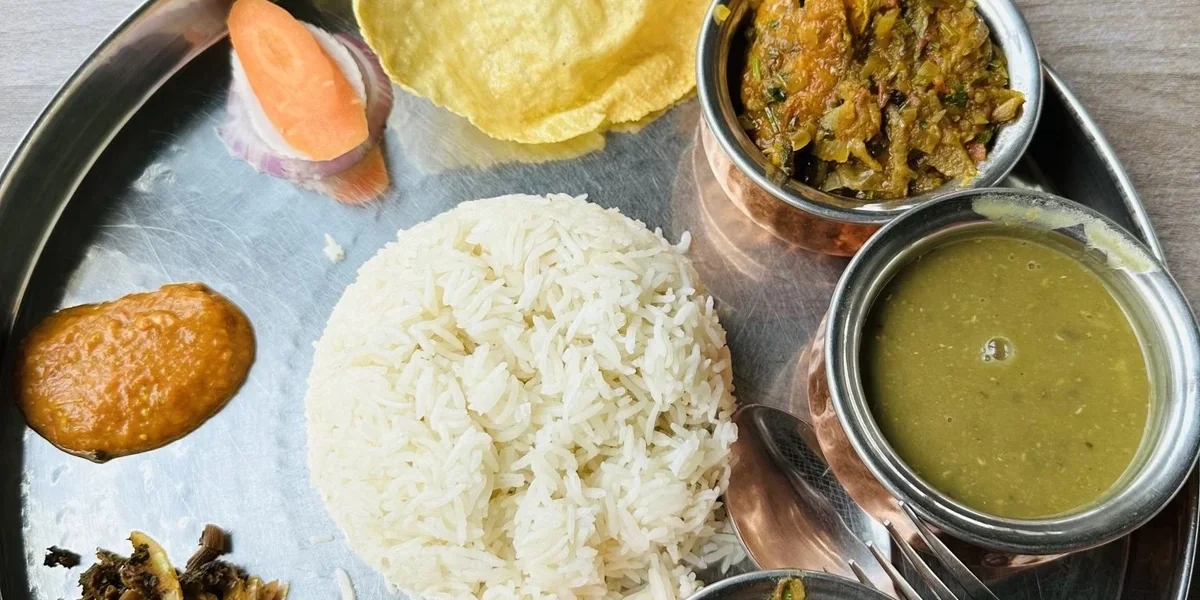
The dal-bhat-tarkari eaten daily across Nepal is, by nutritional standards, a remarkably complete and balanced meal. It combines carbohydrates (rice), protein (lentils), vitamins and minerals (vegetables), and fermented food (achar or gundruk) — all in one plate, doing quietly what many trendier "superfood" diets try to achieve with far more marketing.
Rice is the primary carbohydrate source, providing quick, reliable energy. Brown rice or rice mixed with barley adds fiber and B vitamins that are comparatively lower in polished white rice.
Lentils — black gram, red lentils, chickpeas, kidney beans, and others — are an excellent source of plant protein, filling the role meat plays in non-vegetarian diets. Lentils are also rich in fiber, folate, and iron, supporting healthy blood and digestion.
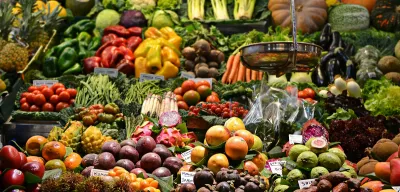
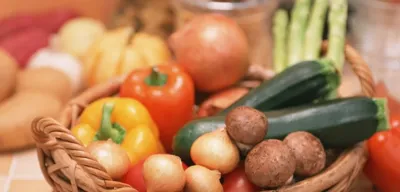
Seasonal vegetables — leafy greens, cauliflower, pumpkin, and others — supply vitamin A, vitamin C, and a range of minerals. Leafy greens in particular are a strong source of iron and calcium, both essential for bone and blood health.
Fermented foods like gundruk and sinki provide probiotic bacteria that support a healthy digestive system. The chili and ginger typically used in achar also stimulate appetite and keep metabolism active.
Yogurt (dahi) is rich in calcium, protein, and probiotics, supporting strong bones and gut health. Flattened rice (chiura) is a fast-digesting carbohydrate, making it ideal fuel for travel or after exercise.
Freshly harvested vegetables retain far more of their vitamin and mineral content, since nutrients steadily degrade during long storage and transport. Buying fresh produce directly from local farmers is a genuine health advantage, not just a matter of taste.
Share it with friends and help others discover great content!