Why Vegetables Spoil So Fast
A common complaint is vegetables going limp or rotting just 2-3 days after buying them. The main reason is usually that every vegetable gets tossed into the same fridge drawer or kitchen corner, regardless of what it actually needs. Different vegetables need different temperature, humidity, and light conditions — and knowing the right approach for each can roughly double how long your produce stays fresh, with no special equipment required.
Vegetables That Belong in the Fridge
- Leafy greens (spinach, mustard greens, fenugreek leaves): Wrap loosely in a slightly damp paper towel or cloth and place in a partially open plastic bag — this keeps moisture in without trapping so much that the leaves rot.
- Carrots, radish: Trim off the tops and store in the crisper drawer. Leaving the leafy tops attached pulls moisture and nutrients out of the root, making it go soft faster.
- Cabbage, cauliflower: Store the whole head uncut in the fridge — it stays fresh for 1-2 weeks this way.
- Peas, beans: Keep in a sealed container; they stay fresh in the fridge for 3-5 days.
Vegetables That Belong Outside the Fridge, in a Cool Dark Spot
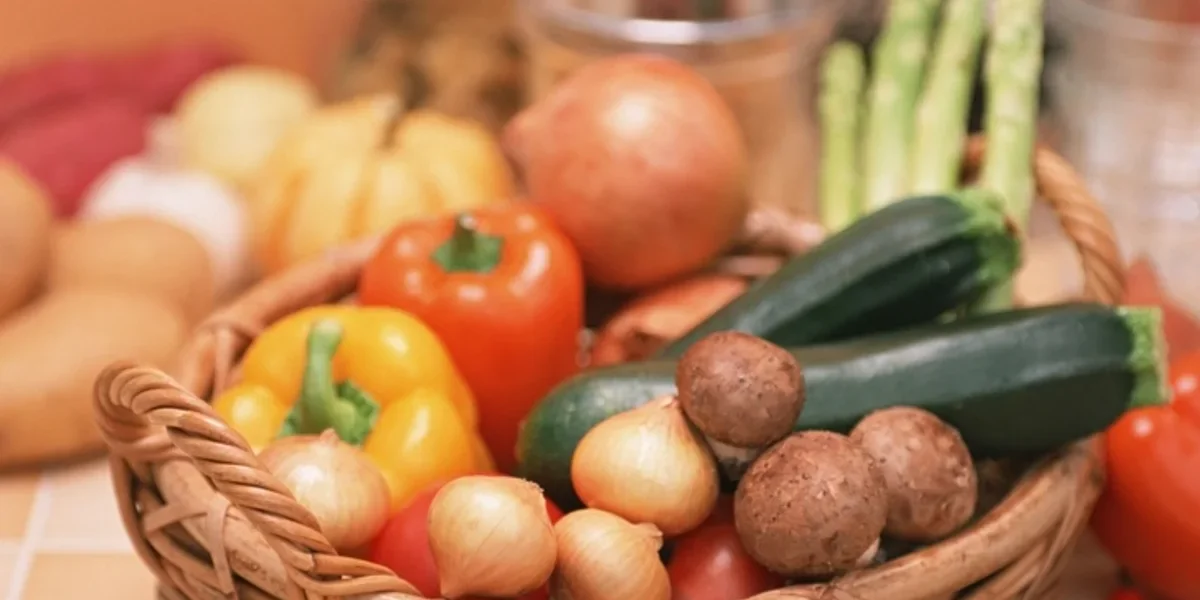
- Potatoes: Store in a dark, cool, well-ventilated place. Refrigeration converts their starch to sugar, ruining the flavour and causing dark discoloration when cooked. Keep them away from onions — the gas onions release speeds up potato spoilage.
- Onions and garlic: Keep in a ventilated basket or mesh bag, somewhere dry and dark. Sealed plastic traps moisture and encourages mould.
- Bottle gourd, pumpkin, ridge gourd: These keep well for 1-2 weeks at normal room temperature.
- Tomatoes: If unripe, leave them at room temperature to ripen; only move fully ripe tomatoes to the fridge, and only briefly — refrigerating them too early ruins both taste and texture.
Tricks to Make Perishable Vegetables Last Longer
1. Don't Wash Before Storing
Store vegetables unwashed and only rinse right before you use them. Extra moisture from early washing is one of the biggest reasons leafy greens and mushrooms rot quickly.
2. Wrap in Dry Paper
Wrapping leafy greens and soft vegetables in a kitchen towel or old paper absorbs excess humidity and slows down decay considerably.
3. Keep Ethylene-Producing Fruit Separate
Apples, bananas, and tomatoes release ethylene gas, which speeds up ripening — and spoilage — in whatever produce sits near them. Keep them away from your leafy greens and green vegetables.
4. Buy in Smaller, More Frequent Batches
Instead of stocking up on a full week's worth of vegetables at once, buying just 2-3 days' worth more often from the market or FoodSansar keeps everything fresher and cuts down on what ends up thrown away.
Why Reducing Vegetable Waste Matters
- Real, noticeable savings on your monthly food budget
- More consistently fresh, nutritious food on the table
- Less food waste, which is better for the environment
- Fewer emergency trips back to the market mid-week