FoodSansar

FoodSansar

Food Guides

Himalayan Honey Guide: Where It Comes From, and How to Use It Safely

Himalayan honey is a globally known Nepali product, gathered from cliffside hives at real personal risk. Here's the difference between regular honey and 'mad honey,' and how to use each.
6 min read
FoodSansar
Share:
Himalayan Honey Guide: Where It Comes From, and How to Use It Safely

What Is Himalayan Honey?

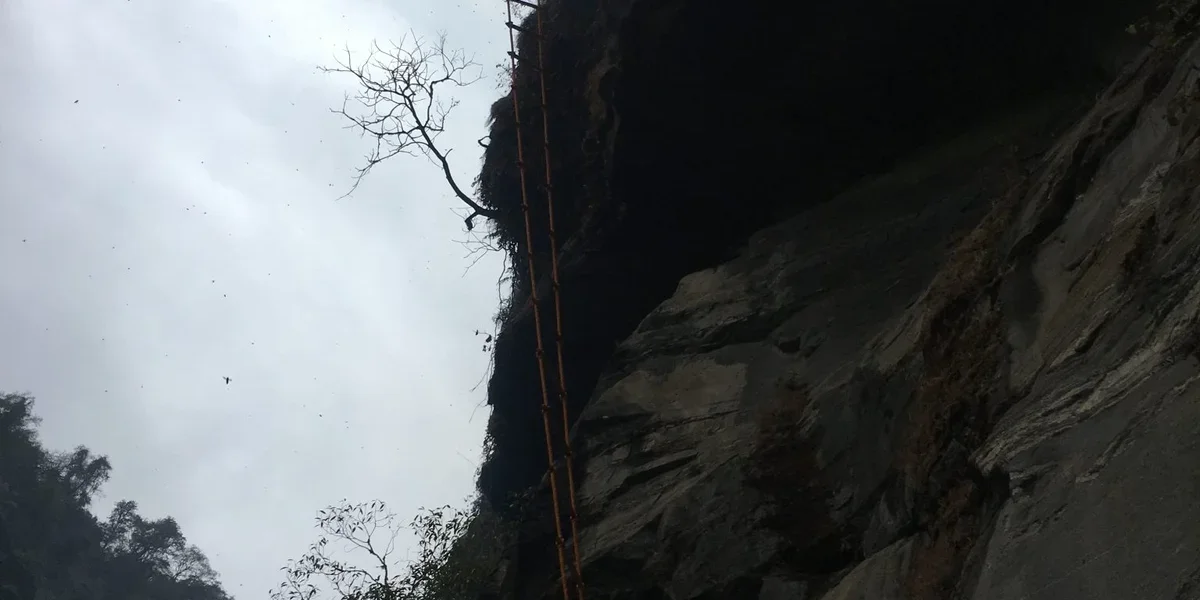
Himalayan honey is produced by the world's largest honeybee, Apis laboriosa, which builds enormous combs on the sheer cliff faces of Nepal's high mountains. Traditional "honey hunters" harvest it using ropes and bamboo ladders in a genuinely dangerous climb — a skill passed down within families for generations.

Regular Honey vs. "Mad Honey": The Difference That Matters

Here's something many people don't know but should before buying: Himalayan honey actually comes in two distinct types:

  • Regular spring honey: gathered in spring from a mix of flowers, sweet-tasting and safe in normal quantities
  • "Mad honey": gathered in autumn specifically from rhododendron flowers, and containing a natural compound called grayanotoxin. In small amounts it's used traditionally as a medicine, but larger amounts can cause headaches, nausea, and an irregular heartbeat.

Because of this, it's worth asking your seller which type you're buying, and if it's mad honey, sticking to small quantities.

Why Himalayan Honey Is Considered Special

  • Gathered wild from many different flowers, giving it varied flavour and nutrition compared to single-source honey
  • Available in much smaller, rarer quantities than commercial honey production
  • Traditionally used to help heal wounds, ease coughs, and provide an energy boost

How to Use It

  • As a morning drink: stir a spoonful into warm water or milk
  • On minor wounds: its antiseptic properties can help when applied directly to a small cut
  • For colds: a mix of warm water, ginger, and honey is a common home remedy

How to Tell Real Honey From Fake

  • Real honey slowly thickens and crystallizes in cold weather — this is normal, not a bad sign
  • Real honey's taste and smell vary by season and which flowers were in bloom — it's natural for the flavour not to be identical every time
  • Buy only from a trusted, known local seller for the safest experience

Pure honey from trusted Himalayan-region sellers is available on FoodSansar — remember to ask which type (regular or mad honey) you're buying before ordering.

Tags

#himalayan-honey #mad-honey #food-guide #honey-hunting #nepal

Enjoyed this article?

Share it with friends and help others discover great content!