Food Guides
Why Buy from Local Nepali Farmers: Health, Taste and Community
June 1, 2026 5 min read

Every spice in a Nepali kitchen carries more than flavour — many have real health benefits behind them too. Here's what timur, jimbu, turmeric, and other staples actually do.
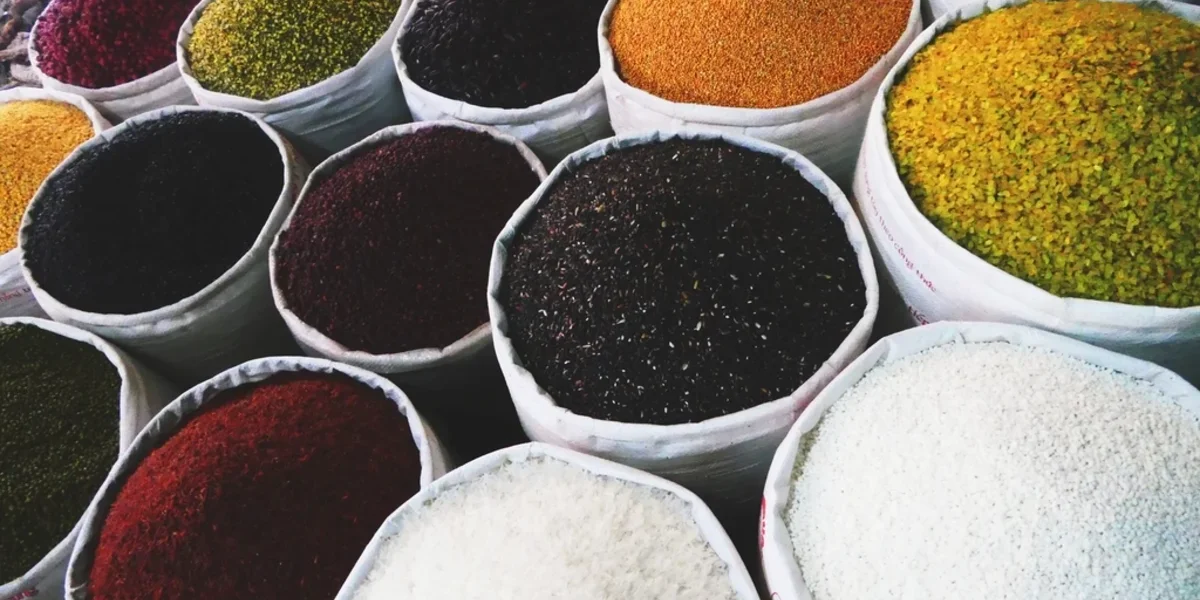
The spices used in Nepali cooking do more than season food — many have been used for their medicinal properties for generations. Grown across the Himalayan and hill regions, these spices carry distinctive aromas along with real health benefits.
Timur is a distinctive Himalayan spice known for the mild tingling, numbing sensation it leaves on the tongue. It's widely used in achar and chutneys. Timur has antiseptic and digestive properties, and is a traditional remedy for toothache and bloating.
Jimbu is a specialty herb from Nepal's Himalayan region, used to temper dal and vegetable dishes. Its aroma noticeably lifts the flavour of dal in particular. Jimbu also aids digestion and stimulates appetite.
Turmeric is a foundational spice used in almost every Nepali vegetable dish. Its active compound, curcumin, has anti-inflammatory properties and supports immune function. Turmeric mixed into warm milk (golden milk) is a common home remedy for colds.
Cumin and coriander are basic spices used across nearly all Nepali dishes. Cumin aids digestion and reduces bloating, while coriander is associated with helping regulate blood sugar levels.
Both are foundational to Nepali cooking, offering medicinal value alongside flavour. Ginger helps with colds and nausea, while garlic supports blood pressure regulation and strengthens immune function.
Fresh timur, jimbu, and turmeric from Himalayan-region sellers are available on FoodSansar — order directly from farmers for the most authentic flavour and benefit.
Share it with friends and help others discover great content!