Recipes
Traditional Gundruk Recipe: How to Make Nepal's Beloved Fermented Greens
May 28, 2026 8 min read

Yomari is a fish-shaped sweet dumpling made from rice-flour dough, filled with jaggery and sesame. Here's a clear, step-by-step recipe anyone can follow, even on their first try.
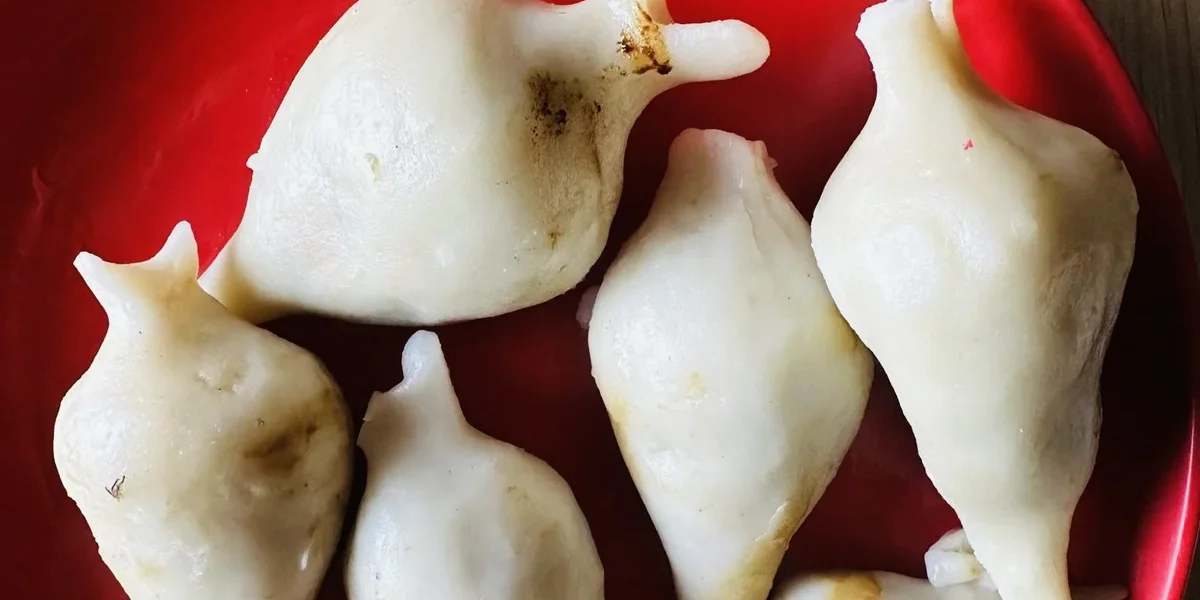
Yomari is a sweet dish from the Newari community, made by shaping cooked rice-flour dough into a small fish shape and filling it with chaku (a type of jaggery) and roasted sesame. It might sound tricky at first, but it's really something anyone can make at home — the two things that matter most are getting the dough to the right thickness and sealing the filling in properly. Follow the steps below and your first batch will turn out well.
For the dough:
For the filling:
Heat ghee in a pan, add the chopped chaku and roasted sesame, and cook over medium heat for 1-2 minutes until the jaggery melts and the mixture thickens. Remove from heat and let it cool quickly — the filling is much easier to shape into small balls once it's cooled down.
Mix salt into the rice flour, then slowly add hot water while kneading by hand. The dough shouldn't be too stiff (it will crack) or too wet (it will stick to your hands) — aim for something like soft roti dough. Once kneaded, cover it and let it rest for 5 minutes; this makes it even easier to shape.
Break off small pieces of dough and roll each into a ball about the size of a small teacup. Press a hollow into the center and add a teaspoon of the chaku-sesame filling. Bring the edges up and pinch them closed gently, then shape one end into a point to form the classic fish shape. It might feel a bit awkward on your first one or two — your hands adjust quickly after that.
Bring water to a boil in a covered pot with a steamer basket on top. Place the yomari with some space between each one — this keeps them from sticking together. Cover and steam for 15-20 minutes, until the dough looks glossy and slightly translucent.
Remove from the steamer and let them cool for about 5 minutes before eating — the filling stays very hot inside. Serve warm.
Yomari is especially associated with Yomari Punhi, the full moon day of Mangsir/Poush (usually falling around December on the Gregorian calendar). It marks the joy of bringing in the new rice harvest, and it's traditionally a dish the whole family makes together.
Fresh rice flour and chaku are available from sellers on FoodSansar — order your ingredients ahead of Yomari Punhi.
Both are traditional. Chaku (jaggery/molasses melted with ghee, sometimes with sesame seeds) is the more classic filling, while khuwa (reduced milk) mixed with sugar and cardamom is a common variation. Coconut and sugar is another popular filling.
Molasses or palm sugar can stand in for chaku since they share a similar deep, caramel-like sweetness — refined sugar alone won't give you the same flavor depth.
Yomari Punhi falls on the full moon of the Nepali month of Mangsir (typically November or December) and marks the end of the rice harvest — yomari is made specifically to celebrate that, symbolizing prosperity and new beginnings.
Share it with friends and help others discover great content!