Farming Tips
Organic Farming in Nepal: A Beginner's Guide to Getting Started
May 22, 2026 7 min read

There's no vaccine and no reliable cure once a pig is infected — biosecurity is the only real defence. Here's what to actually put in place on your farm.
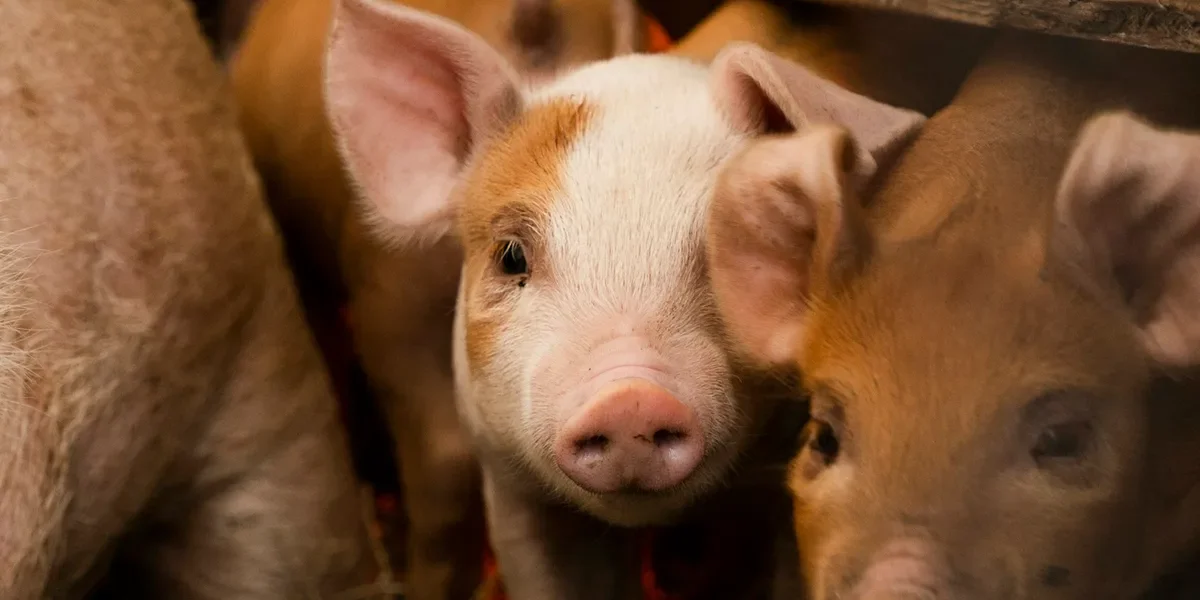
African Swine Fever causes high fever, bluish skin discoloration, pigs huddling together in one spot, and coughing. The infection rate is high, and mortality can reach as much as 100%. The hardest part: there is still no vaccine against it, and no effective treatment once an animal is infected — which makes biosecurity the only reliable protection a farm has.
The moment you see these symptoms — or hear that ASF has been confirmed nearby — tighten your farm's biosecurity immediately and notify your nearest livestock service branch, veterinary hospital, or animal service office without delay. Delaying or concealing a suspected case doesn't control it; fast reporting is what actually protects the wider pig-farming community in your area.
Whenever an animal is under antibiotic treatment for any illness, only sell or distribute its milk or meat after the drug's required withdrawal period has fully passed.
Share it with friends and help others discover great content!