Organic Farming in Nepal: A Beginner's Guide to Getting Started
Want to grow food without chemicals and earn more for your produce? This guide covers the fundamentals of organic farming for Nepali farmers — from soil testing to certification.
Practical growing guides written for Nepal's Terai, hill and mountain farms. Start with the twelve-month planting calendar, organised by Bikram Sambat month, then go deeper with crop guides for potato, wheat, rice, ginger, cardamom, coffee and tea. You will also find guides on soil testing, homemade organic fertiliser such as jholmal, seed saving, monsoon pest and disease control, and livestock, poultry, fish pond and beekeeping management. Each guide is written around Nepal's seasons, altitudes and local practice rather than generic advice.
39 posts
What to sow and transplant in each Bikram Sambat month, from Baisakh to Chaitra.
Want to grow food without chemicals and earn more for your produce? This guide covers the fundamentals of organic farming for Nepali farmers — from soil testing to certification.

Knowing which vegetables to plant in each season is the foundation of productive farming. Here's a complete seasonal calendar tailored for Nepal's diverse climate zones.

Jholmal is a traditional Nepali liquid bio-fertilizer made from cow dung, urine, and locally available plant materials. Research shows it increases yields by 33% while eliminating chemical input costs entirely.

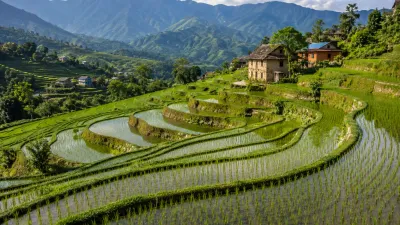
Nepal's hillside terrace farmers manage one of the world's most challenging agricultural environments — steep slopes, small fragmented plots, and difficult market access. Here's how successful hill farmers maximise output and income from limited land.

From safely harvesting the last of your spring rice to choosing seed and fertilizing this season's paddy, here's a practical, region-by-region guide for Nepal's main monsoon rice crop.

From canker disease to fruit-sucking moths — practical monsoon-season protection for orange, lime, and other citrus orchards across Nepal.

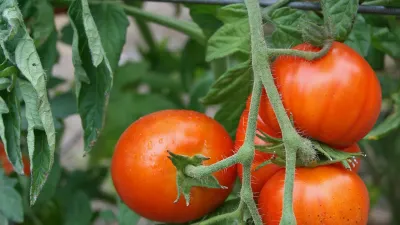
From downy mildew in cucumber to fruit borer in tomato — the main problems that hit vegetable crops during monsoon, and how to handle each one.

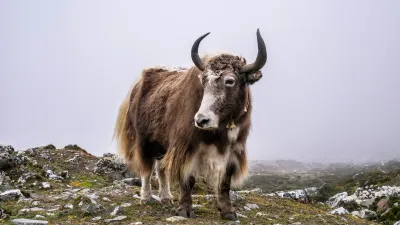
From fever to external parasites to foot-and-mouth disease — the vaccination schedule and health practices that protect cattle, goats, and pigs through monsoon.

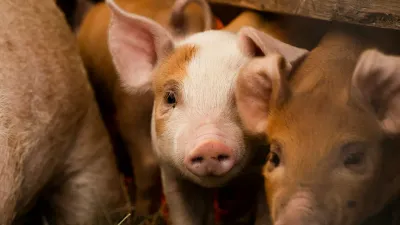
There's no vaccine and no reliable cure once a pig is infected — biosecurity is the only real defence. Here's what to actually put in place on your farm.

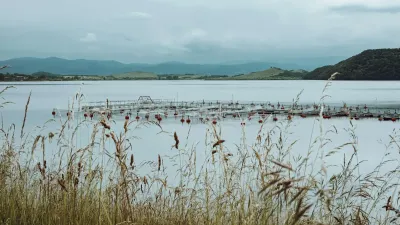
From safely stocking new fingerlings to keeping water quality stable — what fish farmers need to watch during monsoon season.

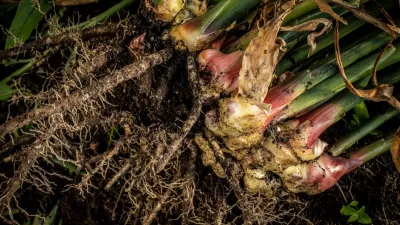
Nepal is one of the world's top ginger-producing countries, with Ilam and Salyan farmers growing it as a reliable cash crop for generations. Here's the practical, season-by-season guide.

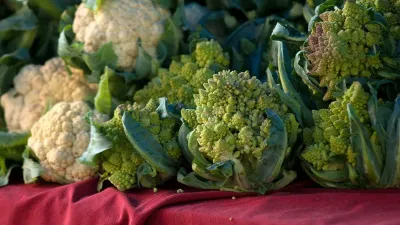
Plant cauliflower, cabbage, and radish correctly in Ashoj-Kartik and you'll get strong yields and good market prices right through winter. Full guide from nursery to harvest.

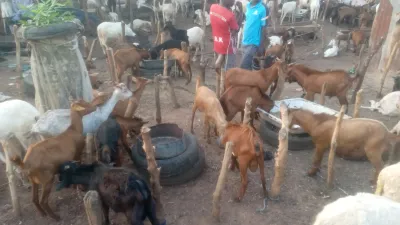
Demand and prices for khasi goat meat both peak around Dashain. Buy at the right time and follow a proper fattening schedule, and it becomes a genuinely profitable seasonal business.

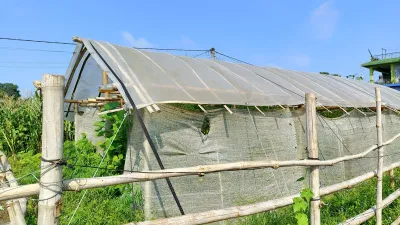
Want to grow vegetables out of season and sell them at double or triple the normal price? Here's a practical guide to plastic tunnel and small-scale greenhouse farming.

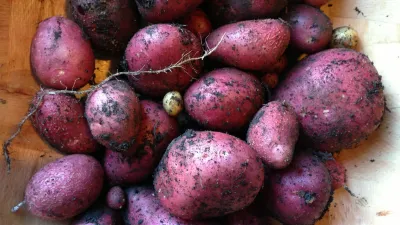
Potato is Nepal's most-consumed vegetable and one of the few crops you can plant twice a year. From variety selection to exact fertilizer doses, here's the full technical guide to growing it well.

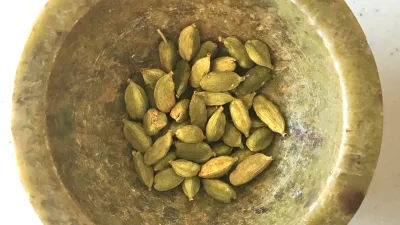
Cardamom is a high-value export crop grown in Ilam and Taplejung. Here's a clear, beginner-friendly guide from planting to harvest for anyone thinking of growing it for the first time.

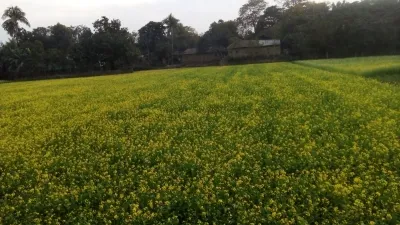
Mustard is one of Nepal's key oilseed crops, planted in winter and needing less care than many other crops to give a good yield. Here's a simple guide from planting to harvest.

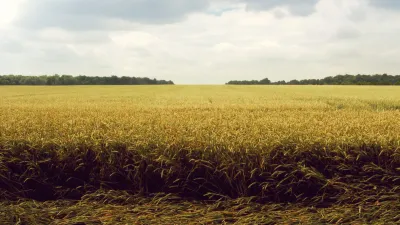
Wheat is Nepal's third most-consumed staple after rice and potato. Since it's planted right after rice is harvested, here's the full process for anyone starting out.

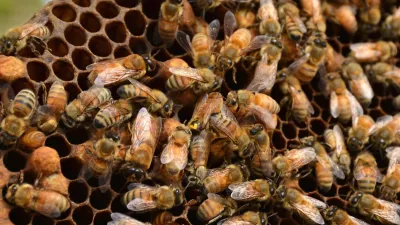
Beekeeping doesn't need much land, and the starting investment is relatively low. Here's a step-by-step guide for anyone thinking about keeping bees for the first time.

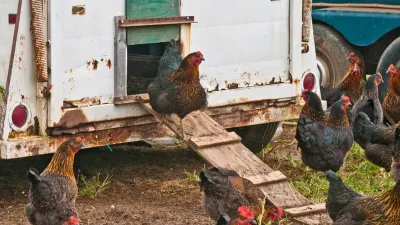
Poultry farming can start with a small investment and a small amount of space. Here's a clear guide covering everything from building a coop to preventing disease.

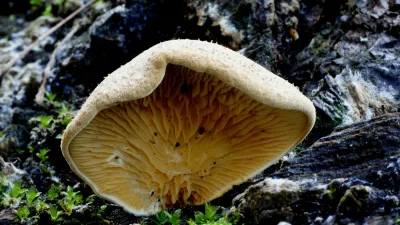
Mushroom farming doesn't need farmland — a small shaded room at home is enough. Here's an easy guide for starting this business, well-suited even for city dwellers.

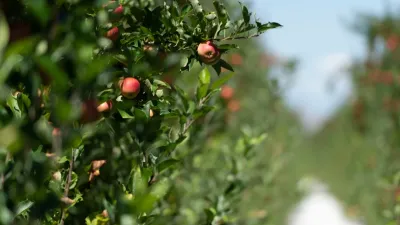
Apple is a high-value crop grown in Nepal's Himalayan districts. It takes patience, but once planted, a single orchard keeps producing income for decades — here's the full guide.

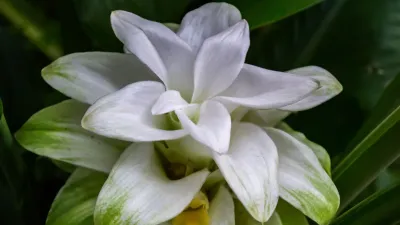
Turmeric grows from an underground rhizome, much like ginger, and is farmed in a very similar way. Here's a clear, step-by-step guide for anyone growing it for the first time.

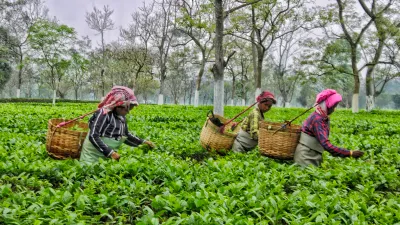
Nepali tea is recognized internationally for its quality. Once planted, it keeps producing for decades — here's a clear guide from planting to plucking your first leaves.

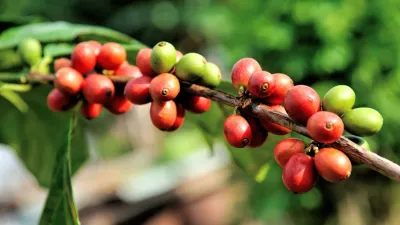
Nepali coffee is gradually gaining recognition internationally. Since it grows under shade and pairs well with other crops, it's a genuinely good extra income opportunity for smallholders.

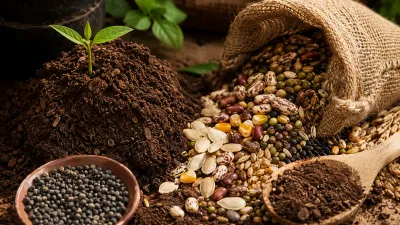
If you save seed from your best harvest, you don't have to buy new seed year after year. Here's a simple guide to which crops to save, how to dry them, and how to store them.

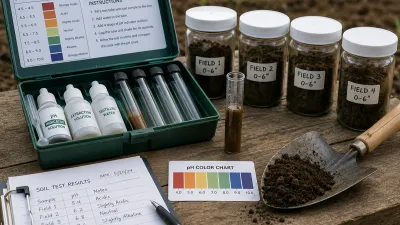
Many farmers apply fertilizer by guesswork, but testing soil first saves both money and time. Here's an easy, practical way to test soil at home or with an affordable kit.