Farming Tips
Organic Farming in Nepal: A Beginner's Guide to Getting Started
May 22, 2026 7 min read

From fever to external parasites to foot-and-mouth disease — the vaccination schedule and health practices that protect cattle, goats, and pigs through monsoon.
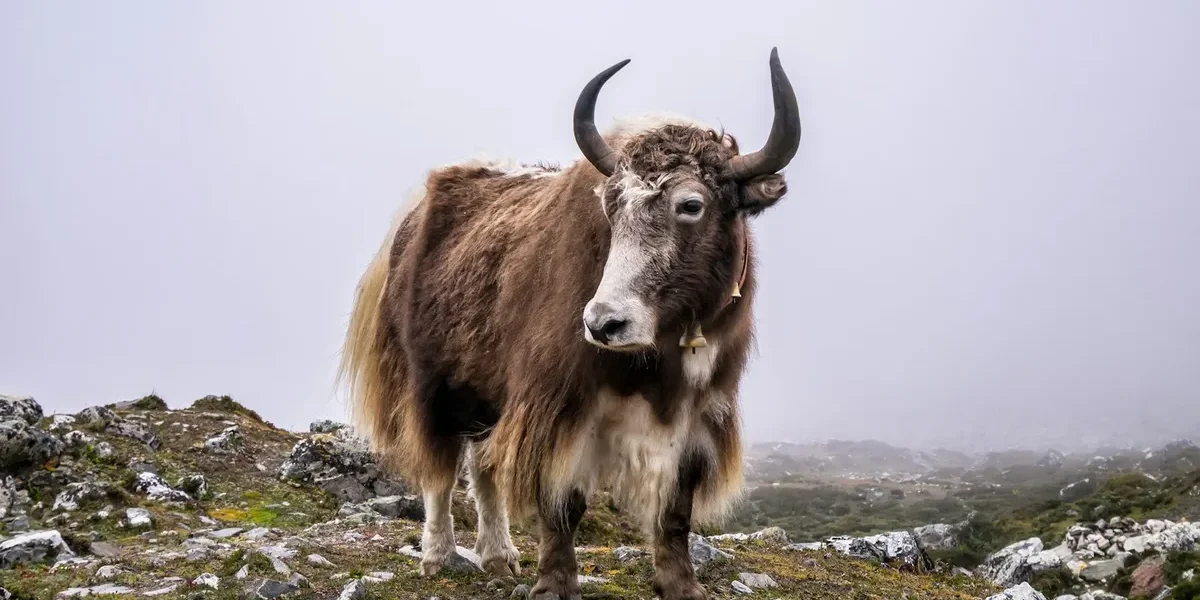
Monsoon brings a sharp rise in flies and midges, which pushes up the risk of ephemeral fever (a vector-borne disease) in cattle, buffalo, and oxen. Pay close attention to shed hygiene, don't let water pool around the barn, and contact your nearest livestock service centre immediately if you see high fever, limping, body stiffness, or a milking animal's output suddenly dropping.
Confirm these vaccinations are already current whenever you buy new animals, not just for the ones you already own.
For internal parasites like liver fluke, roundworm, and tapeworm in cattle, sheep, and goats, get periodic dung or hoof checks done and follow your vet's dosing advice for deworming. For external parasites — lice, ticks, mites — use cypermethrin or triazophos solutions strictly per veterinary guidance. Never use these treatments on sick, weak, pregnant, or nursing young animals.
After each milking, dip the teats for 30 seconds in a 1:9 mix of glycerine and povidone iodine, and keep the animal standing (by offering feed) for at least 15 minutes afterward — this single habit significantly cuts mastitis risk.
In cloven-hoofed animals, fever combined with blisters on the hoof (between the claws and above), tongue, lips, mouth, or muzzle — which then burst into open sores — is a strong sign of FMD. Report these symptoms to your nearest veterinary service immediately.
Share it with friends and help others discover great content!