Farming Tips
Seasonal Vegetables in Nepal: A Farming Calendar for Year-Round Harvests
June 5, 2026 6 min read
Want to grow food without chemicals and earn more for your produce? This guide covers the fundamentals of organic farming for Nepali farmers — from soil testing to certification.
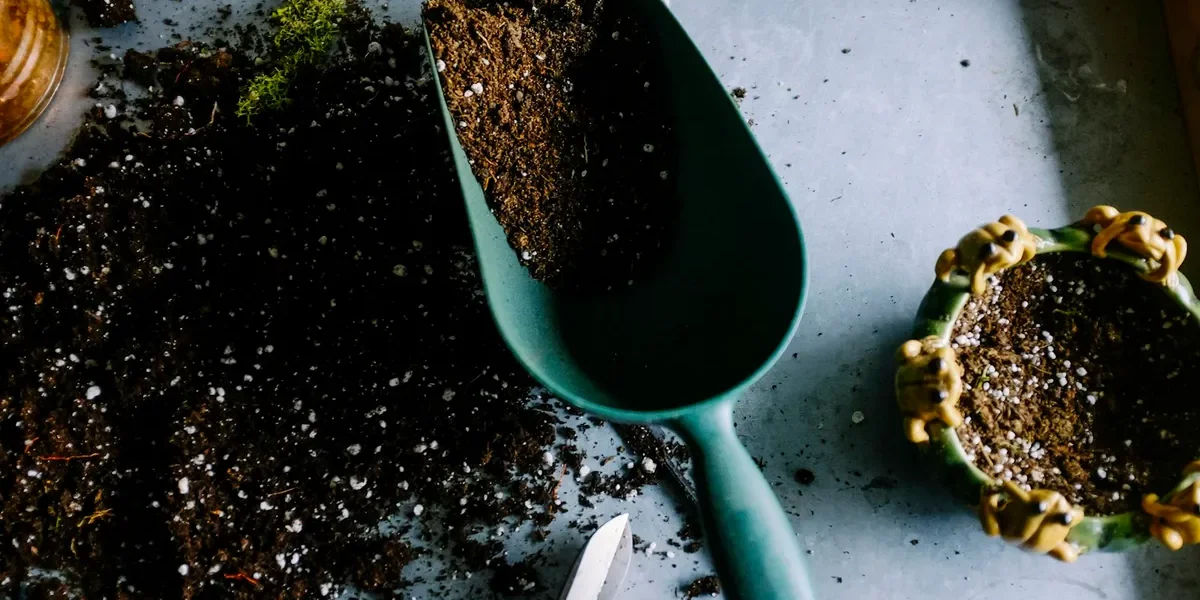
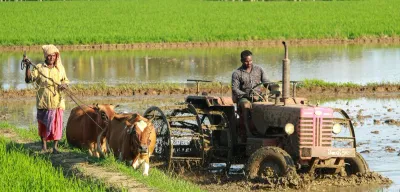
Organic farming means producing food without synthetic fertilizers or pesticides, relying instead on natural methods like compost, green manure, and biological pest control. Organic food is better for health, better for the soil, and increasingly better for your income.
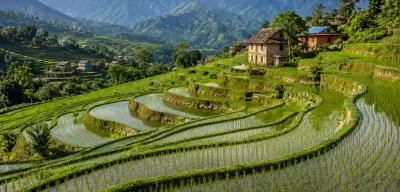
Nepal's geography is naturally suited to organic farming. Hillside and mountain farms already use far fewer chemicals than lowland industrial farms. More importantly, demand for organic produce is growing — certified organic products fetch 20–50% more than conventional equivalents in Kathmandu, Pokhara, and export markets.
Before switching methods, get your soil tested at your District Agriculture Development Office. Knowing your soil's pH, nutrient levels, and organic matter content lets you correct deficiencies naturally rather than guessing.
Good compost is the heart of organic farming. Combine kitchen scraps, cow dung, straw, and crop residues in a layered pile. In 3–4 months you'll have nutrient-rich compost that replaces expensive chemical fertilizers and improves soil structure year after year.
A solution of neem leaves, fermented buttermilk, or garlic-chili spray controls most common pests. These are cheap, safe, and available everywhere in Nepal. Companion planting — growing marigolds or mustard alongside vegetables — also naturally repels insects.
Nepal's Department of Agriculture issues organic certificates. Certified producers can command premium prices and access export channels. On FoodSansar, certified organic sellers receive a special verification badge that boosts customer trust.
Share it with friends and help others discover great content!