Farming Tips
Organic Farming in Nepal: A Beginner's Guide to Getting Started
May 22, 2026 7 min read

Knowing which vegetables to plant in each season is the foundation of productive farming. Here's a complete seasonal calendar tailored for Nepal's diverse climate zones.
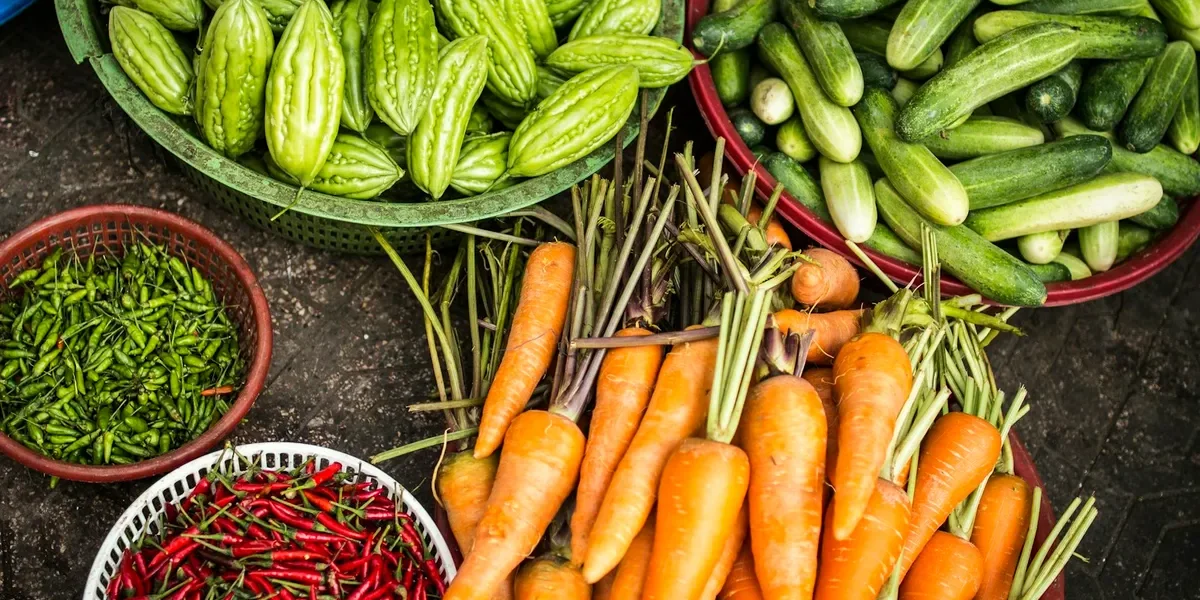
Nepal experiences four distinct seasons — monsoon (June–September), post-monsoon/autumn (October–November), winter (December–February), and spring/pre-monsoon (March–May). Each season suits different vegetables. Planting at the right time means less disease pressure, better yields, and produce that hits peak market demand.
Hot and wet — ideal for moisture-loving vines and tropical vegetables. Hill farmers grow maize alongside vegetables while Terai farmers focus on rice paddy.
Nepal's best all-round farming season. Temperatures are mild, rainfall is tapering off, and almost every vegetable performs well. This is the season to plant for winter harvest.
Peak season for Terai farmers. Hillside and mountain farmers face frost, but the Terai's mild winters support one of the most productive growing periods.
Temperatures rise quickly. Begin transitioning to heat-tolerant varieties that will carry through the early monsoon.
Coriander, mint, spring onion, and many local leafy greens produce in almost every season. These are excellent for small plots and container gardens, with consistent year-round market demand. Even a small kitchen garden of these can supplement income reliably.
These four seasons give you the big picture, but precise timing by Bikram Sambat month matters too — yields can vary significantly even within the same season depending on exactly when you plant. See the full guide for each month:
Share it with friends and help others discover great content!