Farming Tips
Organic Farming in Nepal: A Beginner's Guide to Getting Started
May 22, 2026 7 min read

Nepal's hillside terrace farmers manage one of the world's most challenging agricultural environments — steep slopes, small fragmented plots, and difficult market access. Here's how successful hill farmers maximise output and income from limited land.
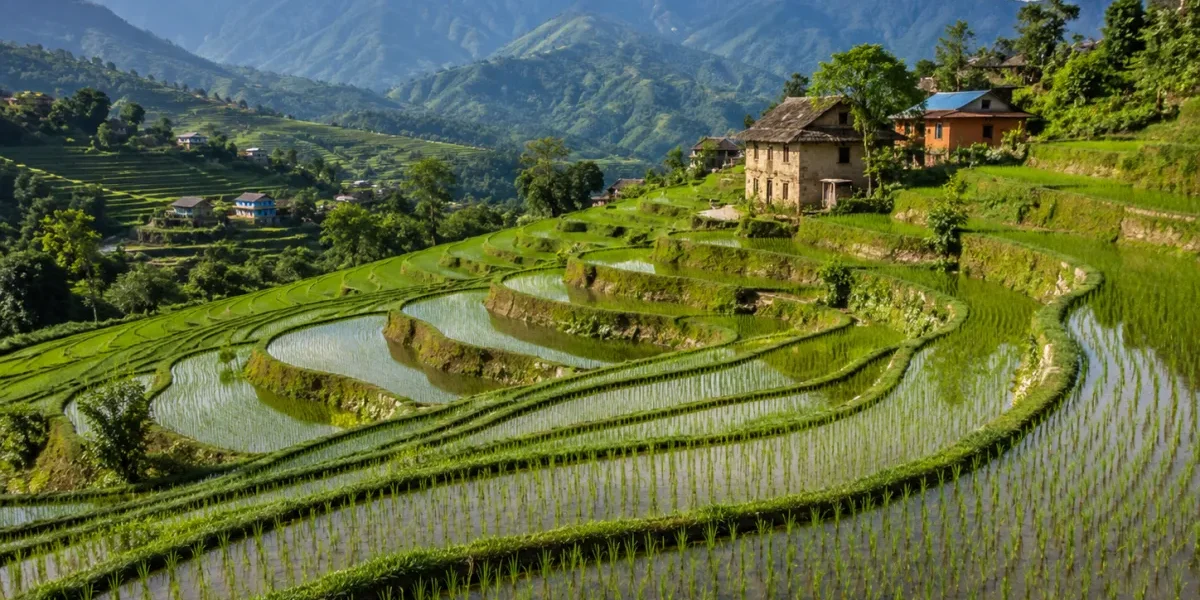
Nepal's hill farmers average just 0.77 hectares of agricultural land — fragmented into multiple terraced plots at different altitudes. These aren't flat, deep-soiled fields. They're narrow ledges carved into steep hillsides, often rocky, always at risk of erosion. Yet more than 13 million Nepalis depend on these plots for their livelihoods. The farmers who thrive do so through techniques refined over centuries and innovations adopted over recent decades.
Terraced plots are constantly at risk of topsoil loss during monsoon rains. Every centimetre of topsoil that washes away reduces the next season's yield. High-priority soil conservation practices:
Intercropping — growing two or more crops simultaneously on the same plot — is the most consistently proven strategy for Nepal's hill farmers. Research published by the IDRC found that well-planned intercropping increases net farmer income by 33–137% compared to mono-cropping on the same land area.
The bunds (raised edges) of terraces represent uncultivated productive space that most farmers underutilise. Planting on bunds:
Not all crops suit hill terrain equally. Farmers with difficult transport access should prioritise high-value, low-weight crops:
Remote hill farmers consistently identify market access as their biggest constraint — not land, not skills, not inputs. Produce that reaches Kathmandu or Pokhara commands dramatically higher prices than the same produce sold to local middlemen.
FoodSansar directly addresses this problem by connecting hill farmers with urban buyers across Nepal. Create your seller profile, list your produce — and customers in Kathmandu can order your mountain-grown vegetables, herbs, and specialty crops directly. No middlemen, no transport cost uncertainty, better prices.
Share it with friends and help others discover great content!