Farming Tips
Organic Farming in Nepal: A Beginner's Guide to Getting Started
May 22, 2026 7 min read

From safely stocking new fingerlings to keeping water quality stable — what fish farmers need to watch during monsoon season.
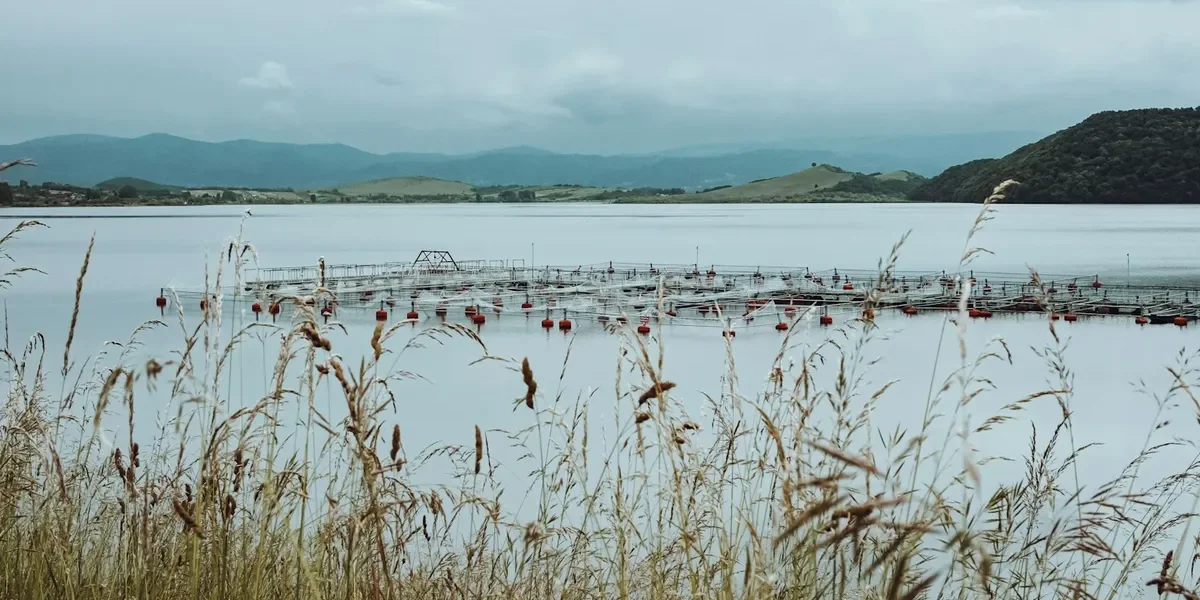
When stocking new fish fingerlings, buy only disease-free stock from a reliable, registered hatchery. Before releasing them into the pond, let the sealed plastic bag float unopened on the pond surface for 20–30 minutes — this equalizes the temperature between the bag water and the pond. Only release the fingerlings gradually once both temperatures match.
As temperatures rise, keep a regular check on pond water pH (6.5–8.5), clarity, and dissolved oxygen levels. If needed, apply 20–25kg of lime per ropani to keep the water balanced. On cloudy days, oxygen levels can drop sharply — run an aerator immediately and stop feeding fish on those days.
Start feeding 30–35% protein feed gradually 2–3 days after stocking fingerlings. A daily feeding rate of 3–5% of the fish's body weight, split between morning and evening, works well. Rainbow trout need a different regime: 40–45% protein feed at 0.8–1.2% of body weight per kg, with growth checks every 15 days.
Heavy rain can cause pond banks to give way — repair any damage promptly before it worsens. Monsoon also brings heavy weed growth around pond edges and increases the chance of snakes near the water — clear weeds regularly to keep the pond clean and set traps to manage snake activity.
Warm, wet weather increases fish lice and anchor worm infestations — keep the pond clean and immediately remove small branches, ropes, or debris where parasites can lay eggs. For rainbow trout raceways, monsoon runoff often makes the water turbid; when this happens, clean fish with a saltwater rinse twice a week. Contact your nearest fisheries technician immediately if you notice any unusual symptoms.
Share it with friends and help others discover great content!