Farming Tips
Organic Farming in Nepal: A Beginner's Guide to Getting Started
May 22, 2026 7 min read

Demand and prices for khasi goat meat both peak around Dashain. Buy at the right time and follow a proper fattening schedule, and it becomes a genuinely profitable seasonal business.
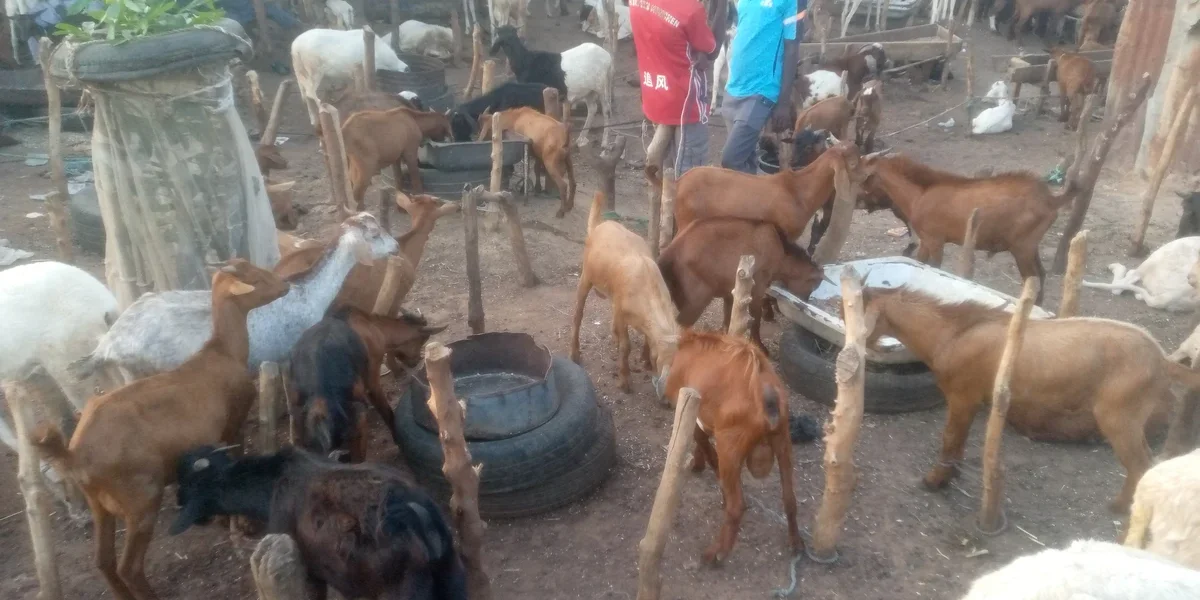
Demand for khasi (castrated male goat) meat hits its highest point of the year during Dashain, Nepal's biggest festival. Prices during the Dashain season run 30-50% higher than normal, making goat-fattening a short but genuinely lucrative seasonal business for smallholders and livestock keepers.
The best time to buy and start fattening is 3-4 months before Dashain, around Shrawan-Bhadra. This gives you enough time to properly care for the animal and build weight gradually. Prices climb steadily as Dashain approaches (Ashoj-Kartik), so buying late usually means paying more for the same animal.
Ease a newly acquired goat into a routine of green fodder, grain feed, and clean water. Keep the environment calm during this period to minimize stress.
Feed a balanced grain mix (maize bran, lentil husk, oil cake) at 3-4% of body weight daily, alongside plenty of green fodder. Feed 2-3 times a day and keep clean water always available. A regular salt-mineral mix supplement is also important during this phase.
Slightly increase the grain ration to add final weight, but avoid sudden large changes to the diet — that can upset digestion right when you need the animal at its healthiest.
Deworm the goat and get it vaccinated (including against PPR disease) at your nearest livestock service center immediately after purchase. Check regularly for lice or skin parasites and treat promptly if found. Contact a veterinarian immediately at the first sign of illness.
Start looking for buyers 1-2 weeks before Dashain — rushing to sell at the last minute often means settling for a lower price. Price based on weight and health condition, and sell directly to customers through a platform like FoodSansar to keep the margin a middleman would otherwise take.
Share it with friends and help others discover great content!