Farming Tips
Organic Farming in Nepal: A Beginner's Guide to Getting Started
May 22, 2026 7 min read

Turmeric grows from an underground rhizome, much like ginger, and is farmed in a very similar way. Here's a clear, step-by-step guide for anyone growing it for the first time.
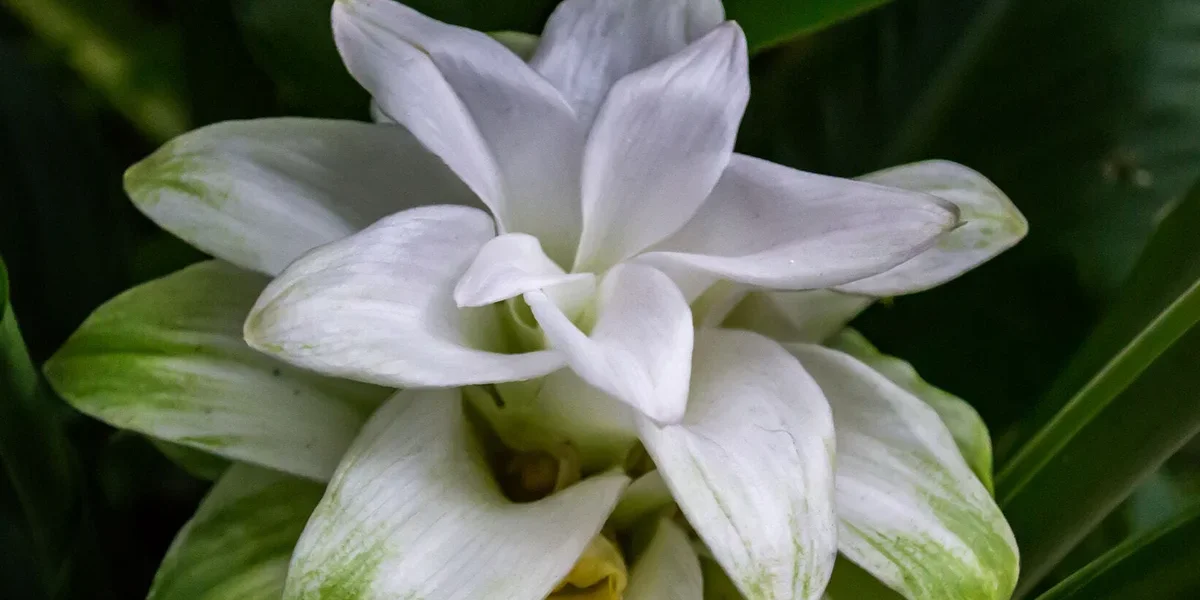
Turmeric isn't just a daily kitchen spice — it's also widely used in medicine and cosmetics, which keeps market demand steady. Its growing method closely resembles ginger, so anyone who already grows ginger will find turmeric easy to pick up.
Turmeric needs loamy soil that holds moisture without waterlogging, and grows best in warm regions at 600-1200 meters elevation. Just like ginger, standing water causes root rot, so choose a sloped or well-drained plot.
Choose healthy, plump turmeric rhizomes and cut them into 40-50 gram pieces, each with at least 1-2 buds. Dry the cut pieces in shade for 1-2 days before planting to heal the cut surface.
Work 8-10 quintals of farmyard manure per ropani into the soil. Plant rhizomes 5-7cm deep, spacing rows 30cm apart and plants 25cm apart.
Plant in Baishakh-Jestha (April-May), just before the monsoon begins. Mulching with straw or dry leaves after planting keeps the soil moist and suppresses weeds.
Rhizome rot is turmeric's biggest threat, caused by waterlogging. Protect against it with disease-free seed and good drainage. If you spot an infected plant, uproot and destroy it immediately.
Turmeric is ready to harvest 8-9 months after planting (around Bhadra-Kartik), once the leaves start drying. After digging it up, clean off the soil, boil the rhizomes for an hour (this improves colour and quality), then dry in the sun for 7-10 days. Only grind into powder or put into long-term storage once fully dry.
Fresh turmeric, dried turmeric, and turmeric powder all have solid market demand. Selling directly to customers through FoodSansar keeps the margin a middleman would otherwise take.
Share it with friends and help others discover great content!