Farming Tips
Organic Farming in Nepal: A Beginner's Guide to Getting Started
May 22, 2026 7 min read

Nepali coffee is gradually gaining recognition internationally. Since it grows under shade and pairs well with other crops, it's a genuinely good extra income opportunity for smallholders.
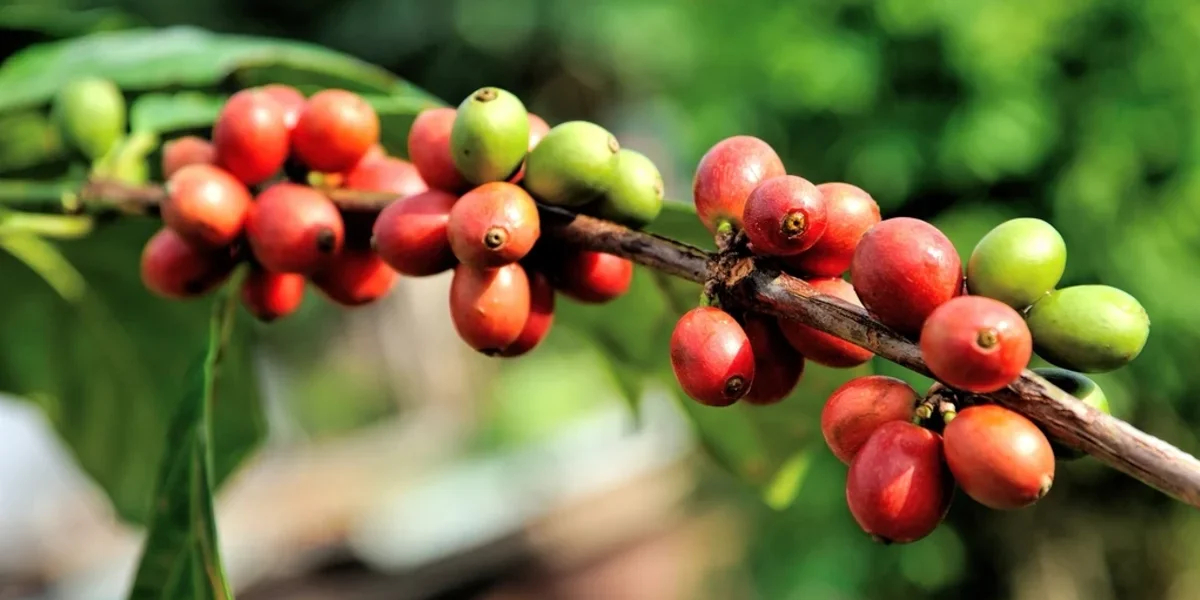
Coffee is grown in Nepal's mid-hill districts — Gulmi, Palpa, Syangja, and nearby areas — and works well as an intercrop planted under the shade of taller trees. That means it can add extra income from land you're already farming, without giving up your main crop. It takes 3 years after planting before fruiting begins, but once established, a plant keeps producing for 15-20 years.
Coffee grows best at 600-1400 meters elevation, under partial shade. Direct, harsh sunlight damages coffee plants, so planting under tall trees (like alder or lilac) works best — this also helps retain soil moisture.
Buy healthy, 6-9-month-old seedlings from a certified nursery. Choose only plants free of leaf spots or pest damage.
Dig pits sized 45x45x45cm and fill with a mix of farmyard manure and soil. Space plants 2-2.5 meters apart.
Plant just before the monsoon begins (around Ashar-Shrawan). Firm the soil around the plant and water it in after planting.
Leaf rust is coffee's biggest threat, causing brown-orange spots that lead to leaf drop. Prevent it by choosing a rust-resistant variety and spacing plants for good airflow.
Fruiting begins 3 years after planting. Only pick fruit once it's fully ripe and deep red (usually around Mangsir-Poush) — picking unripe fruit reduces both flavour and quality. Hand-picking ripe cherries one at a time gives the best results.
Pulp the harvested cherries to remove the outer skin, ferment the beans in water for 1-2 days, then wash and dry them in the sun. This process can be started with simple, small-scale equipment at home.
Nepali organic coffee has growing demand in the specialty coffee market. Selling directly to customers through FoodSansar means keeping the margin a middleman would otherwise take.
Share it with friends and help others discover great content!