Farming Tips
Organic Farming in Nepal: A Beginner's Guide to Getting Started
May 22, 2026 7 min read

Apple is a high-value crop grown in Nepal's Himalayan districts. It takes patience, but once planted, a single orchard keeps producing income for decades — here's the full guide.
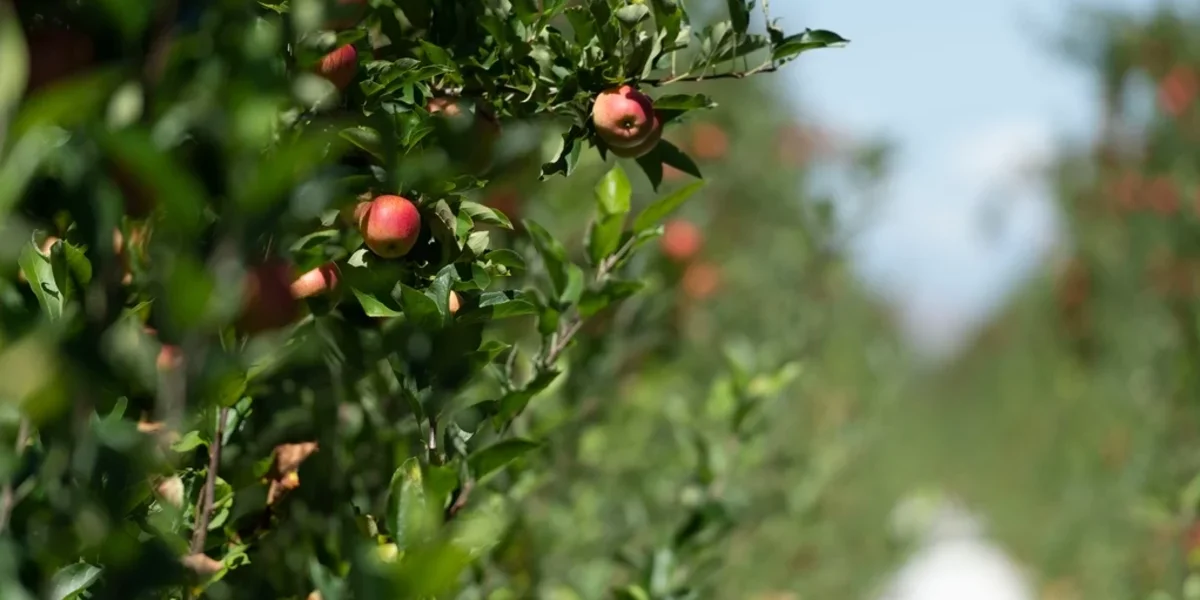
Apple is a premium fruit crop grown in high-altitude districts like Mustang, Jumla, and Mugu. It takes 3-5 years after planting before trees start fruiting, but once mature, a single tree keeps producing for 20-30 years — meaning the initial patience pays off with a genuinely long-term, reliable income source.
Apple trees need cold winters to fruit properly, so they only do well at 1500-3000 meters elevation in cool climates. Without enough winter chill hours, flowering can be poor — which is why apple isn't a good fit for warmer regions.
Choose a variety suited to your region's elevation and climate (such as Royal Delicious or Golden Delicious) from a certified nursery.
Dig pits sized 60x60x60cm and fill with a mix of farmyard manure and soil. Space trees 4-5 meters apart — apple trees grow large and need that much room.
Plant during the leaf-fall season (Poush-Magh, when trees are dormant) — this gives new saplings enough time to root before active growth resumes.
Scab disease shows up as dark spots on leaves and fruit and spreads faster in humid weather. Prevent it by spacing trees to allow airflow between them and using a certified organic fungicide when needed.
Harvest in Bhadra-Kartik (August-October), once the fruit ripens and changes colour. Picking only ripe fruit rather than harvesting everything at once gives better overall quality.
Nepali apples, especially from Mustang and Jumla, command premium prices in urban markets. Selling directly to customers through FoodSansar means keeping the margin a middleman would otherwise take.
Share it with friends and help others discover great content!