Farming Tips
Organic Farming in Nepal: A Beginner's Guide to Getting Started
May 22, 2026 7 min read
Mustard is one of Nepal's key oilseed crops, planted in winter and needing less care than many other crops to give a good yield. Here's a simple guide from planting to harvest.
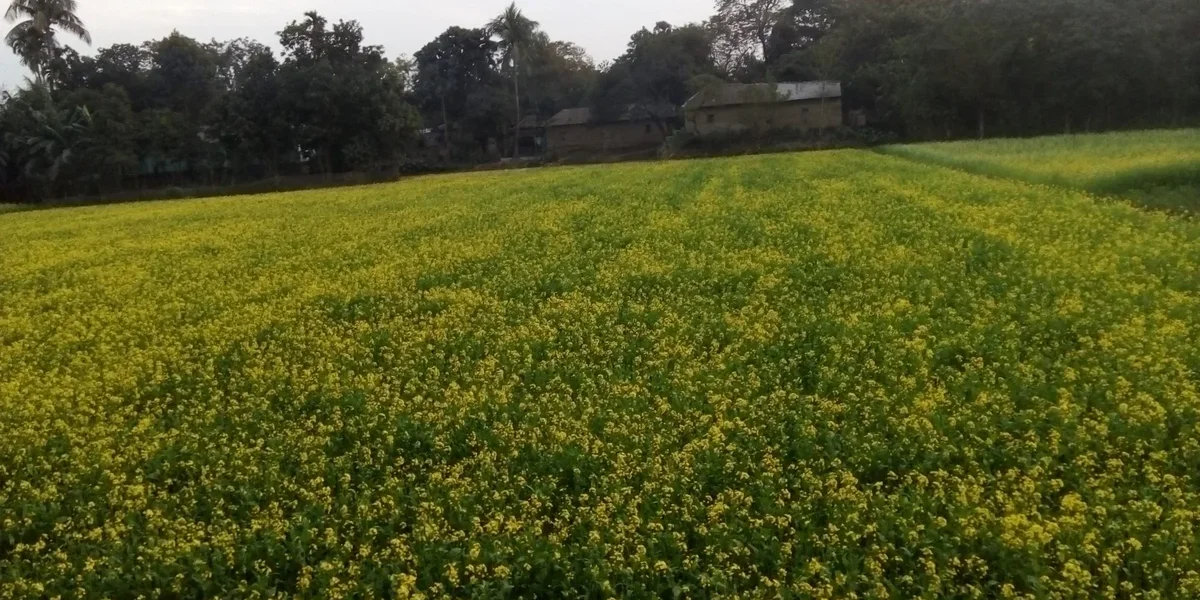
Mustard (tori/sarsyu) is a major oilseed crop in Nepal, producing both cooking oil and cattle-feed cake as byproducts. Compared to many other crops, it needs less water and less ongoing care, making it a good choice even for first-time growers. It's planted in Kartik-Mangsir, which also fits neatly after the monsoon rice or maize harvest is done.
Plant mustard in Kartik-Mangsir (October-November), right after harvesting rice or maize. Planting too late can result in poor flowering and fruit formation, so it's best not to plant past Mangsir.
Plough the field lightly to loosen the soil. Mustard doesn't need deep ploughing — a shallow pass is enough.
You can broadcast the seed directly or sow it in rows (30cm apart). Sowing in rows makes later weeding and harvesting easier. About 1-1.5 kg of seed per ropani is enough.
2-3 weeks after germination, if the plants are too crowded, thin them out to about 10-15cm apart — this gives the remaining plants room to grow properly.
Work 4-5 quintals of farmyard manure per ropani into the soil before planting. Mustard doesn't need much watering — only water lightly if the soil is dry during flowering. Overwatering can make plants leggy with fewer flowers.
Aphids are mustard's most common problem, clustering on flowers and tender shoots. A soapy water spray or neem oil controls them effectively. Treating them as soon as you spot them is important — they spread quickly if left unchecked.
Harvest in Falgun-Chaitra (February-March) once the pods turn yellow and begin drying. Waiting too long risks the pods splitting open and losing seed, so it's safer to harvest while pods are still lightly yellow rather than fully dry. After cutting, dry the plants in the sun, then thresh with a stick to release the seeds.
Both mustard oil and its byproduct cake have steady local demand. Selling mustard oil directly to customers through FoodSansar can generate solid income beyond raw seed sales.
Share it with friends and help others discover great content!