Farming Tips
Organic Farming in Nepal: A Beginner's Guide to Getting Started
May 22, 2026 7 min read

Wheat is Nepal's third most-consumed staple after rice and potato. Since it's planted right after rice is harvested, here's the full process for anyone starting out.
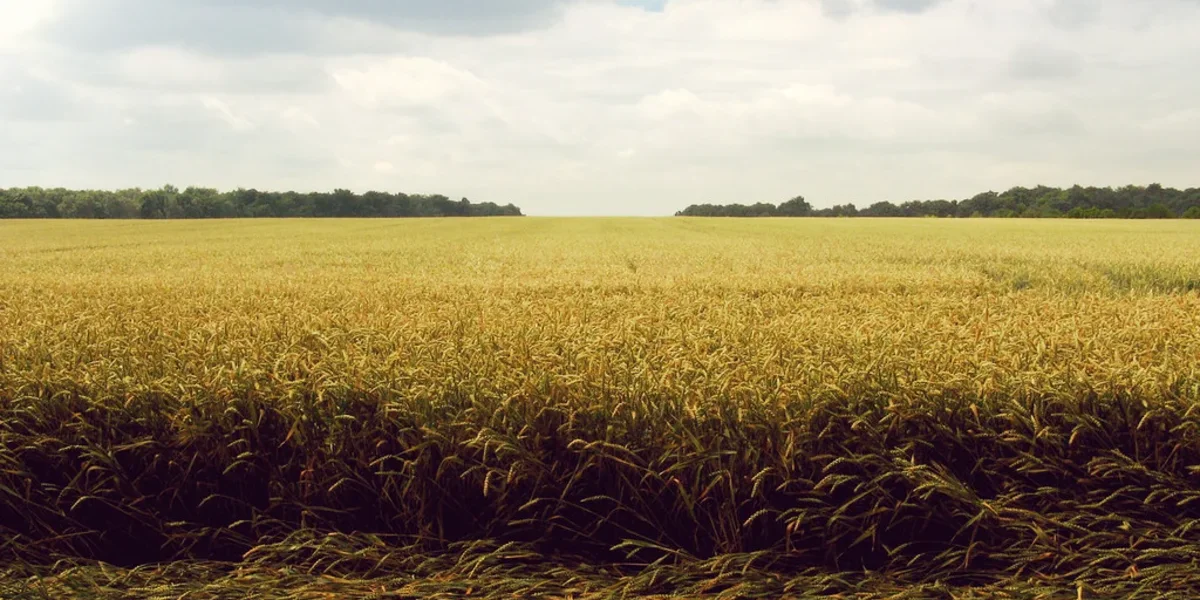
Wheat is Nepal's third most widely consumed staple, after rice and potato. Since it's a winter crop, it can be planted immediately after harvesting rice or maize — meaning the same land can produce two crops in a year. That makes wheat a solid opportunity for farmers to effectively double their income from the same plot.
Mangsir (November-December) is the best time to plant wheat. Planting too late means the crop doesn't get enough time to establish before winter fully sets in, which reduces yield — so it's best to prepare the field and plant right after harvesting rice or maize.
Plough the field 2-3 times to loosen the soil thoroughly. Wheat roots grow deep, so the soil needs to be well-tilled.
Sowing in rows (20-22cm apart) makes later weeding and harvesting easier. About 4-5 kg of seed per ropani is enough. Sow seeds at a depth of 4-5cm.
Water lightly immediately after planting to help the seeds germinate easily.
Before planting, work in 6-8 quintals of farmyard manure per ropani along with an NPK base fertilizer. Once the plants grow bigger (3-4 weeks after planting), add a second dose of nitrogen — this boosts both leaf greenness and grain yield.
Wheat needs 3-4 waterings across its full growing period — particularly during root establishment, flowering, and grain formation. A water shortage at any of these three stages has a big impact on final yield, so don't let the soil dry out during those windows.
Rust disease shows up as brown or black spots on leaves and spreads faster in humid, cool weather. Protect against it by choosing a rust-resistant seed variety and spacing plants so air can circulate between them.
Wheat is ready to harvest around Baishakh (April), once the crop turns golden and the grains harden. Harvest on time rather than waiting too long, since delayed harvesting risks grain loss.
Both wheat flour and whole grain have steady, consistent demand. Selling wheat directly to customers through FoodSansar can provide a reliable income stream.
Share it with friends and help others discover great content!