Farming Tips
Organic Farming in Nepal: A Beginner's Guide to Getting Started
May 22, 2026 7 min read

Mushroom farming doesn't need farmland — a small shaded room at home is enough. Here's an easy guide for starting this business, well-suited even for city dwellers.
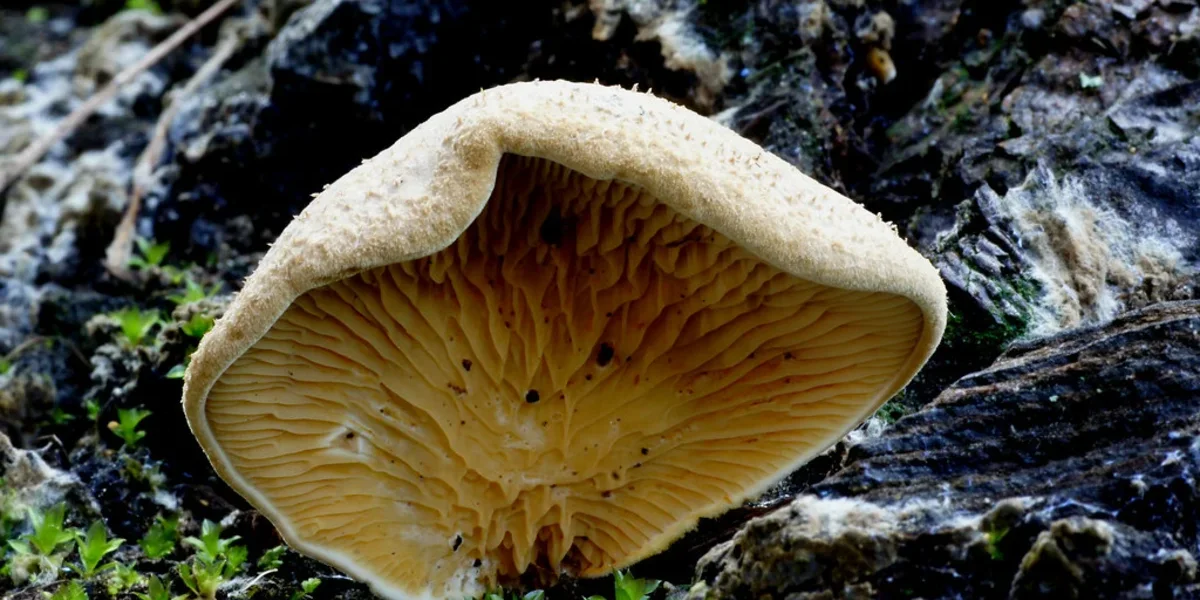
The biggest advantage of mushroom farming is that it doesn't need farmland at all — a shaded room, veranda, or small storage space at home is enough. That makes it a genuinely good income opportunity for people living in urban areas or with very little land. Oyster mushroom is the easiest and most popular variety in Nepal, and a solid choice for beginners.
Cut straw into small pieces and soak it in hot water (80-90°C) for an hour — this kills off contaminating microbes. Drain the water afterward so the straw is damp but not soggy or dry.
Layer straw and mushroom spawn inside a plastic bag — straw first, then a scattering of spawn, then straw again, then spawn again, building 4-5 layers this way. Tie the bag closed and poke small holes in it so air can pass in and out.
Keep the prepared bag in a dark, humid room for 15-20 days. During this time, the spawn spreads a white, thread-like growth (mycelium) through the straw — this is completely normal, so don't open the bag during this stage.
Once the white growth has fully spread, move the bag to a spot with gentle light (but no direct sun) and higher airflow and humidity. Small mushrooms start appearing from the holes in the bag within a few days.
Lightly mist the bag with a fine spray 2-3 times a day — mushrooms need a humid environment, but avoid pouring water directly on them. The room needs good airflow, or the mushrooms can start rotting.
The first flush of mushrooms is ready to pick 3-4 weeks after spawning. Once the mushroom cap starts curling upward at the edges, gently twist and pull it out by hand. A single bag can produce 3-4 flushes over time.
Green mould shows up when the substrate wasn't properly boiled or is too damp. Prevent it by boiling the straw thoroughly before use and keeping all tools and containers clean.
Fresh mushrooms have strong demand and good pricing in urban markets. Selling directly to customers through FoodSansar adds further margin on top of local sales.
Share it with friends and help others discover great content!