Farming Tips
Organic Farming in Nepal: A Beginner's Guide to Getting Started
May 22, 2026 7 min read

From safely harvesting the last of your spring rice to choosing seed and fertilizing this season's paddy, here's a practical, region-by-region guide for Nepal's main monsoon rice crop.
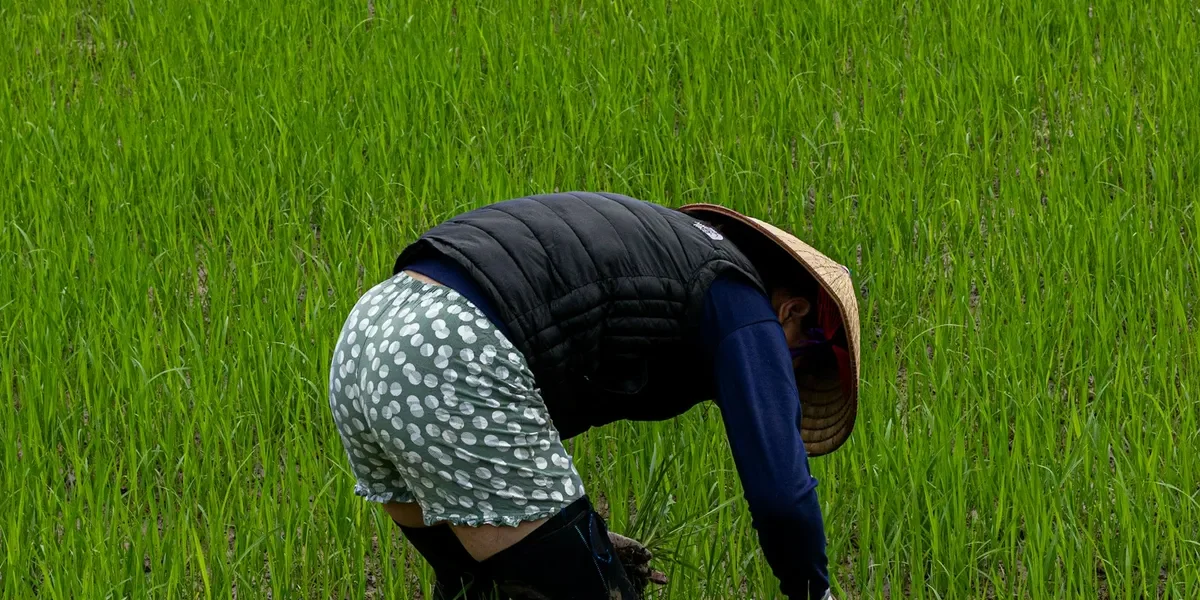
If you still have chaite rice standing when monsoon planting begins, don't rush the harvest. Cut only once the grain separates cleanly from the base of the panicle — cutting too early leaves grain unfilled, while waiting too long risks shattering and rot from early rains. Check the weather forecast before you commit to a harvest date.
Never save seed from a field that showed neck blast, blast, or kernel smut — these diseases carry straight into next season through the seed. Select only healthy, disease-free panicles, and make sure moisture content is under 12% before storage. Treating seed with a fungicide (2g per kg of seed) before storing dramatically cuts losses to rot. For the Pokhara valley and similar mid-hill areas, proven local varieties like improved Jethobudho, Ekle, Rato Anadi, Wayrni, Lal Anadi, and Kalo Patle remain reliable choices.
Work six tonnes of organic manure per hectare into the soil during final land preparation before transplanting. Chemical fertilizer requirements vary by region and variety:
This monsoon is forecast to bring below-average rainfall across the region. Prioritizing drought-tolerant rice varieties this season is a sensible hedge — they hold onto yield better if irrigation runs short partway through the growing cycle.
On any plot sitting empty before transplanting, growing a quick green manure crop — dhaincha, sunn hemp, or mung bean — and turning it into the soil before you plant rice improves both nutrient availability and soil structure. It's a low-cost way to reduce how much chemical fertilizer you'll need down the line.
Share it with friends and help others discover great content!