Farming Tips
Organic Farming in Nepal: A Beginner's Guide to Getting Started
May 22, 2026 7 min read

Want to grow vegetables out of season and sell them at double or triple the normal price? Here's a practical guide to plastic tunnel and small-scale greenhouse farming.
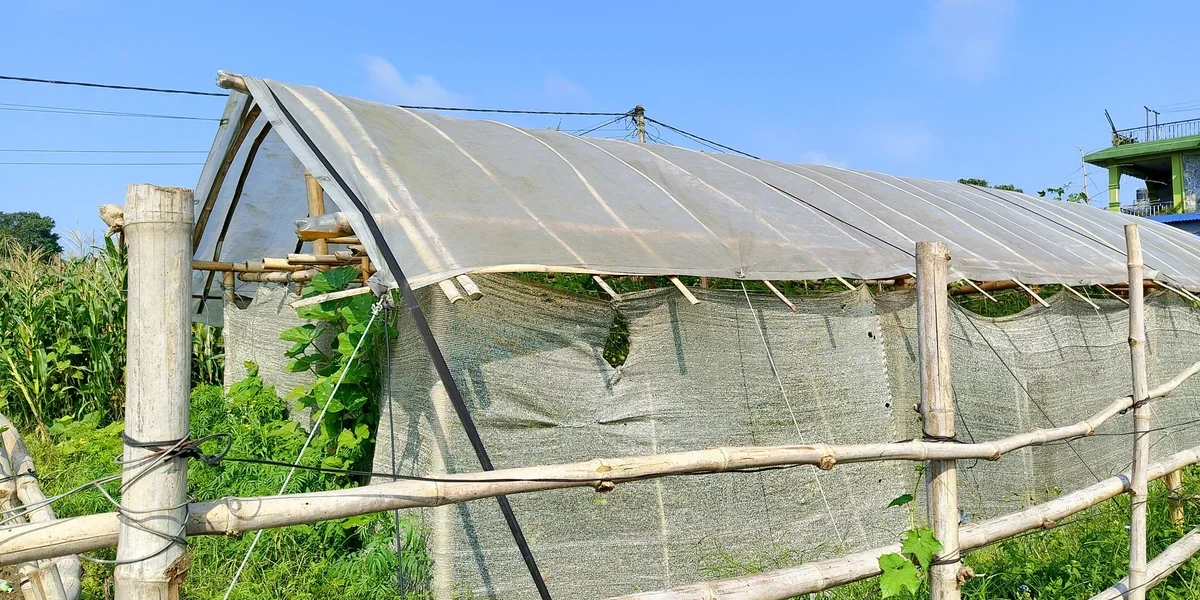
A plastic tunnel or greenhouse removes the weather as a limiting factor — you can control temperature and humidity inside well enough to grow vegetables through cold spells, hail, or heavy rain. Producing vegetables out of season often means selling at double the normal price or more, which is what makes this a fast-payback investment for smallholders.
Build a frame from bamboo or iron and cover it with UV-resistant plastic sheeting, typically around 200 microns thick. Bamboo frames cost less and are easy to source locally, making them the practical choice for most smallholders. Build the tunnel at least 6 feet tall so a person can move around inside comfortably.
Daytime temperatures inside a tunnel can climb quickly, so build vents on both sides and roll up the plastic edges on especially hot days to let air in. In cold-prone locations, keep the plastic fully sealed at night to trap warmth inside.
Since natural rainfall doesn't reach inside the tunnel, set up drip irrigation or a small pipe system for regular watering. Maintain soil fertility with organic compost and farmyard manure. Because enclosed environments are more prone to fungal disease, calibrate watering carefully to avoid excess humidity.
A small (50-100 square meter) bamboo-framed tunnel is relatively cheap to build, and the premium prices off-season vegetables command often pay back the investment within one or two growing seasons. Selling directly to customers through FoodSansar adds further margin on top of that.
Share it with friends and help others discover great content!