Farming Tips
Organic Farming in Nepal: A Beginner's Guide to Getting Started
May 22, 2026 7 min read

Nepal is one of the world's top ginger-producing countries, with Ilam and Salyan farmers growing it as a reliable cash crop for generations. Here's the practical, season-by-season guide.
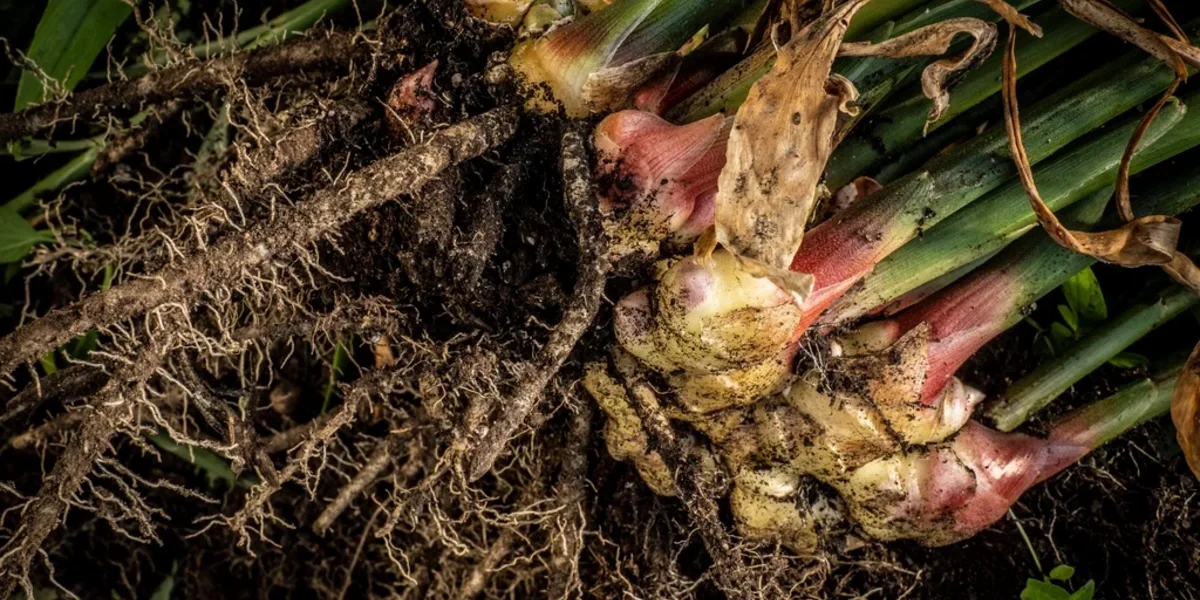
Nepal ranks among the world's leading ginger producers, and in districts like Ilam, Salyan, Palpa, and Sindhuli, ginger is a primary cash crop with strong direct export demand from India. It's an excellent income source for smallholders — a well-managed ropani of land can yield 800-1200 kg of fresh ginger.
Ginger does best in loamy soil that retains moisture but never waterlogs, at elevations between 600-1500 meters in Nepal's mid-hills. Choose a sloped or well-drained plot — standing water is the single biggest cause of rhizome rot, ginger's most damaging disease.
Choose disease-free, firm, plump rhizomes and cut them into 30-50 gram pieces, each with at least 1-2 healthy buds (eyes). Let the cut pieces dry in shade for 1-2 days before planting — this heals the cut surface and reduces the chance of rot after planting.
Plant in Baishakh-Jestha (April-May), just before the monsoon begins. Space rows 30cm apart and plants 25cm apart within the row, planting rhizomes 5-7cm deep. Mulch immediately after planting with straw or dry leaves — this holds soil moisture and suppresses weeds during the slow early growth period.
Work 8-10 quintals of well-rotted farmyard manure or compost per ropani into the soil before planting. During active growth, a monthly application of nitrogen-rich organic feed (jeevamrit or compost tea) supports strong development. Water lightly during dry spells, but always prioritize drainage over irrigation — ginger roots rot quickly if they sit in wet soil.
Ginger is ready to harvest 8-10 months after planting (around Bhadra-Kartik), once the leaves begin yellowing. For fresh "green" ginger, you can harvest as early as 6-7 months; for drying and long storage, wait until the rhizomes are fully mature — this significantly extends shelf life. After digging up the rhizomes, clean off soil, dry in shade for 2-3 days, and store in sacks or baskets in a well-ventilated space.
Fresh ginger, dried ginger (sutho), and ginger paste all have steady market demand. Selling directly to customers through FoodSansar — instead of through a middleman — lets you keep the margin that would otherwise go to a trader's commission.
Share it with friends and help others discover great content!