Farming Tips
Organic Farming in Nepal: A Beginner's Guide to Getting Started
May 22, 2026 7 min read

Cardamom is a high-value export crop grown in Ilam and Taplejung. Here's a clear, beginner-friendly guide from planting to harvest for anyone thinking of growing it for the first time.
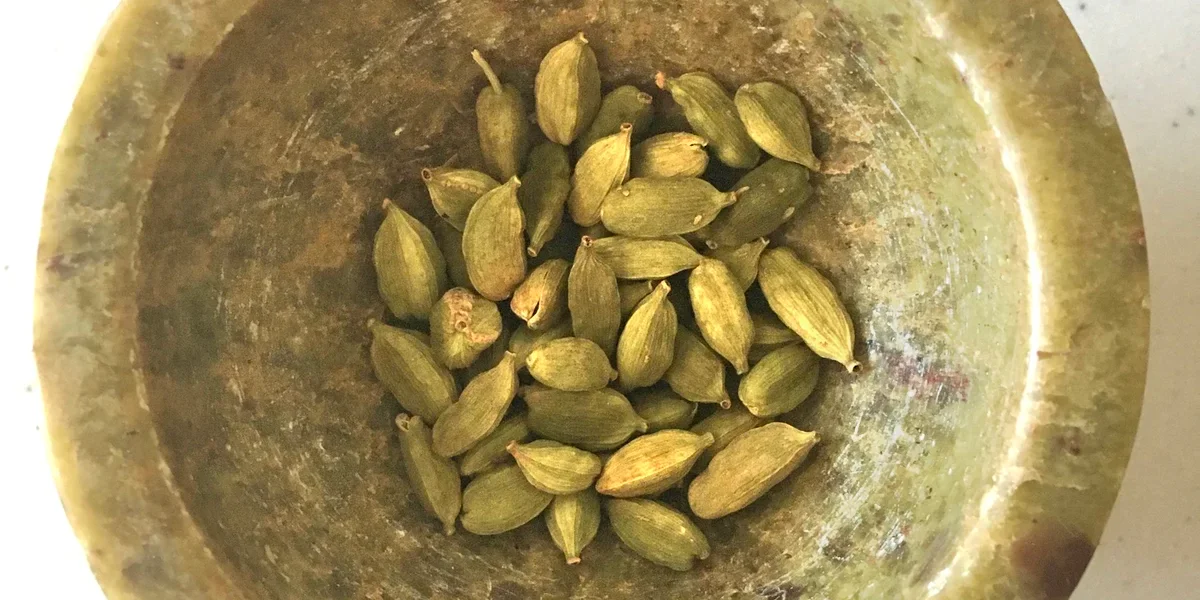
Cardamom is one of Nepal's most valuable agricultural exports, grown extensively in Ilam and Taplejung districts. Once planted, it keeps producing for years — often 5-10 years — turning an initial investment into a long-term income source. But it takes patience: full production only begins about 3-4 years after planting.
Cardamom grows best at 900-2000 meters elevation, in shaded, humid, cool conditions. Planting under tall trees (like alder or box myrtle) for partial shade works best, since cardamom doesn't tolerate strong, direct sunlight well.
Buy healthy, 6-8-month-old seedlings from a certified nursery. Choose ones with disease-free, green leaves.
Dig pits sized 45x45x45cm and fill them with a mix of farmyard manure and soil. Space pits 2-2.5 meters apart — cardamom plants spread widely and need that much room.
Plant just before the monsoon begins (around Ashar-Shrawan) so natural rainfall helps the seedlings root. After planting, firm the soil around the base and water lightly.
Chirkey virus disease is cardamom's most dangerous threat and can wipe out entire plants. Protect against it by only using certified, disease-free seedlings, and if you spot an infected plant, uproot and destroy it immediately so the disease doesn't spread to neighbouring plants.
Fruit begins forming 3-4 years after planting. Harvest once the pods turn a light reddish-brown (around Bhadra-Kartik). After picking, dry the pods in the sun or a dryer, then store in sacks.
Cardamom commands a high price in international markets, and Nepali cardamom is in strong demand in India and the Middle East. Selling directly to customers through FoodSansar adds further margin on top of export sales.
Share it with friends and help others discover great content!