Farming Tips
Organic Farming in Nepal: A Beginner's Guide to Getting Started
May 22, 2026 7 min read

Beekeeping doesn't need much land, and the starting investment is relatively low. Here's a step-by-step guide for anyone thinking about keeping bees for the first time.
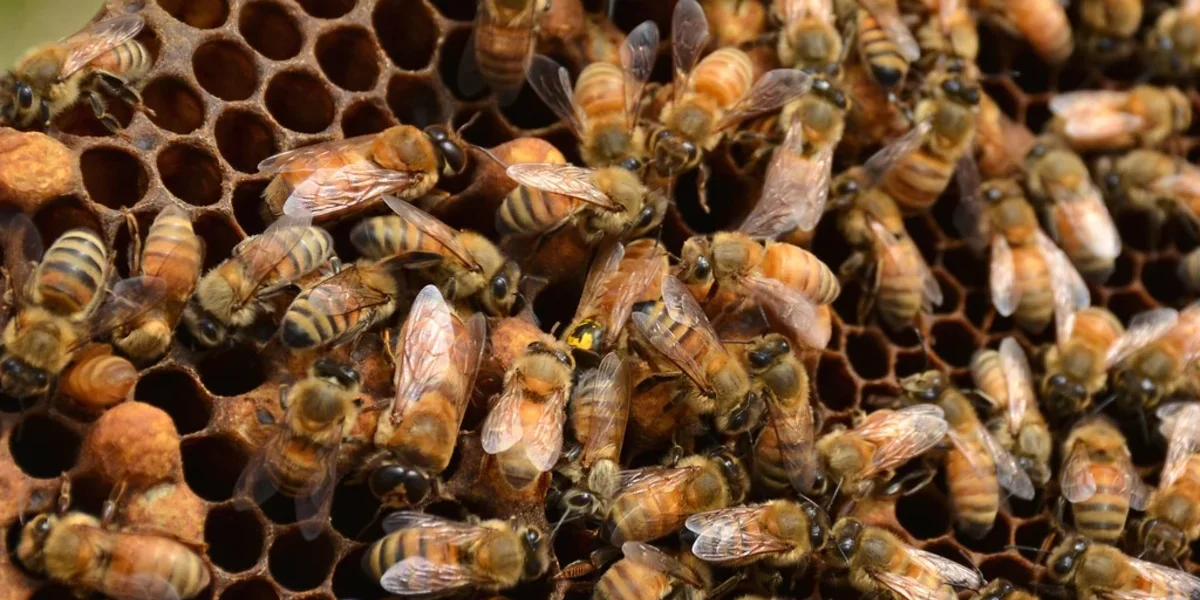
The biggest advantage of beekeeping is that it doesn't need much land — a few hives kept in a home yard or garden is enough to start. Bees also pollinate nearby crops and fruit trees, which boosts overall farm yield — so honey is really just one of the benefits, not the only one.
Nepal mainly has two types of bees kept for honey: native bees (Apis cerana) and European bees (Apis mellifera). Native bees are the easier choice for beginners since they're already adapted to Nepal's climate and are more disease-resistant.
Buy or build a wooden beehive box. The location should be calm, not too windy, and close to flowering plants. Keep it sheltered from direct sun and strong wind.
Buy a healthy bee colony, including a queen bee, from an experienced beekeeper or your local agriculture office. Beginners should start with just 1-2 boxes and only expand once they've gained some experience.
In the evening (when bees are calmer), gently move the colony into the box and close it up. For the first 1-2 weeks, avoid opening the box too often so the bees can settle into their new home.
Honey can be harvested about 3-4 months after the hive fills up, usually in spring and autumn. Never take all the honey out — always leave enough for the bees' own food, or the colony can starve.
Swarming happens when the box feels too crowded or the hive is too full, prompting the colony to look for a new home. Prevent this by adding another box or harvesting honey before the hive gets completely full.
Pure, homemade honey sells for a strong price in urban markets. Selling honey directly to customers through FoodSansar means keeping the margin a middleman would otherwise take.
Share it with friends and help others discover great content!