Farming Tips
Organic Farming in Nepal: A Beginner's Guide to Getting Started
May 22, 2026 7 min read

Nepali tea is recognized internationally for its quality. Once planted, it keeps producing for decades — here's a clear guide from planting to plucking your first leaves.
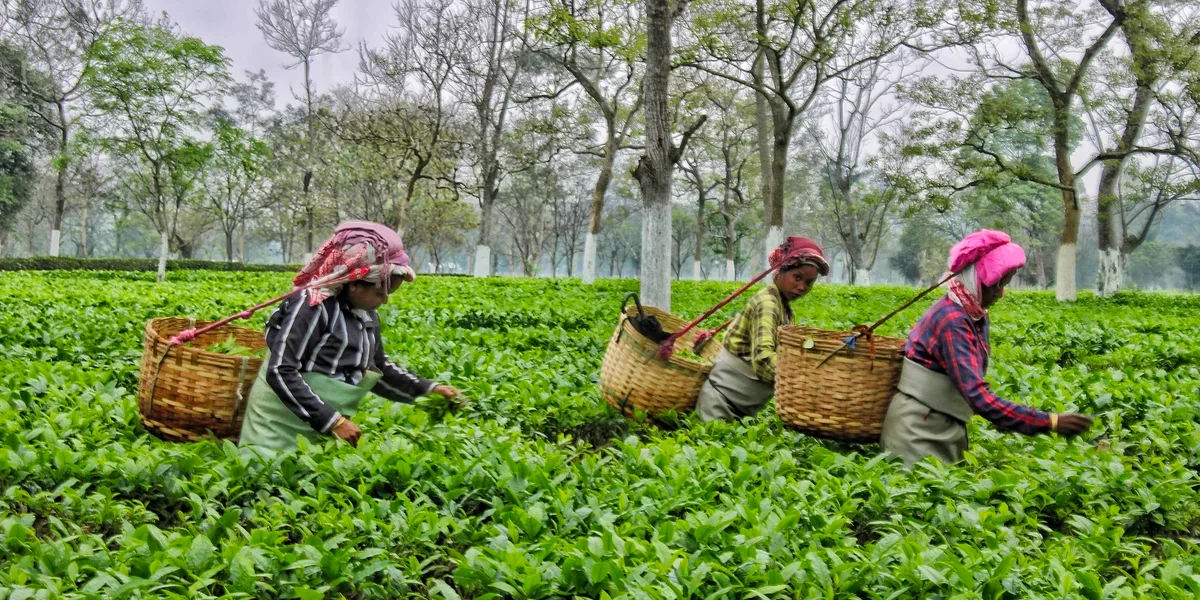
Tea is a major export crop grown in Nepal's eastern hill districts — Ilam, Jhapa, Panchthar, and nearby areas. It takes 3-4 years after planting before you can start plucking leaves, but once established, a single bush can keep producing for 50-60 years — making tea farming a genuinely multi-generational family business.
Tea grows best in slightly acidic, well-drained soil, in cool, humid conditions at 900-2000 meters elevation. Sloped land that isn't in harsh direct sun works well.
Buy healthy, 8-12-month-old seedlings from a certified nursery. First-time growers do best starting with a small plot and expanding as they gain experience.
Dig pits sized 45x45x45cm and fill with a mix of farmyard manure and soil. Space rows 1.2 meters apart and plants 60cm apart.
Plant just before the monsoon begins (around Ashar-Shrawan) so natural rainfall helps the roots establish. Firm the soil around each plant after planting and water it in.
Tea mosquito bug is the most common pest, attacking tender leaves and buds and leaving brown blemishes. Prevent it by spacing plants for good airflow and using a neem oil spray.
Plucking can begin 3-4 years after planting. For the best quality, pluck "two leaves and a bud" — the topmost tender bud plus the two leaves just below it — since plucking more than that lowers quality. During monsoon, leaves can be plucked roughly every 7-10 days.
Spread freshly plucked leaves in shade to wither immediately, then roll them to encourage fermentation, and finally dry them in the sun or a dryer. Small-scale, home-level equipment is enough to get started — a large factory isn't required.
Nepali orthodox tea commands premium prices in international markets. Selling directly to customers through FoodSansar means keeping the margin a middleman would otherwise take.
Share it with friends and help others discover great content!